
 Start Read
 Recommend
house search adventures
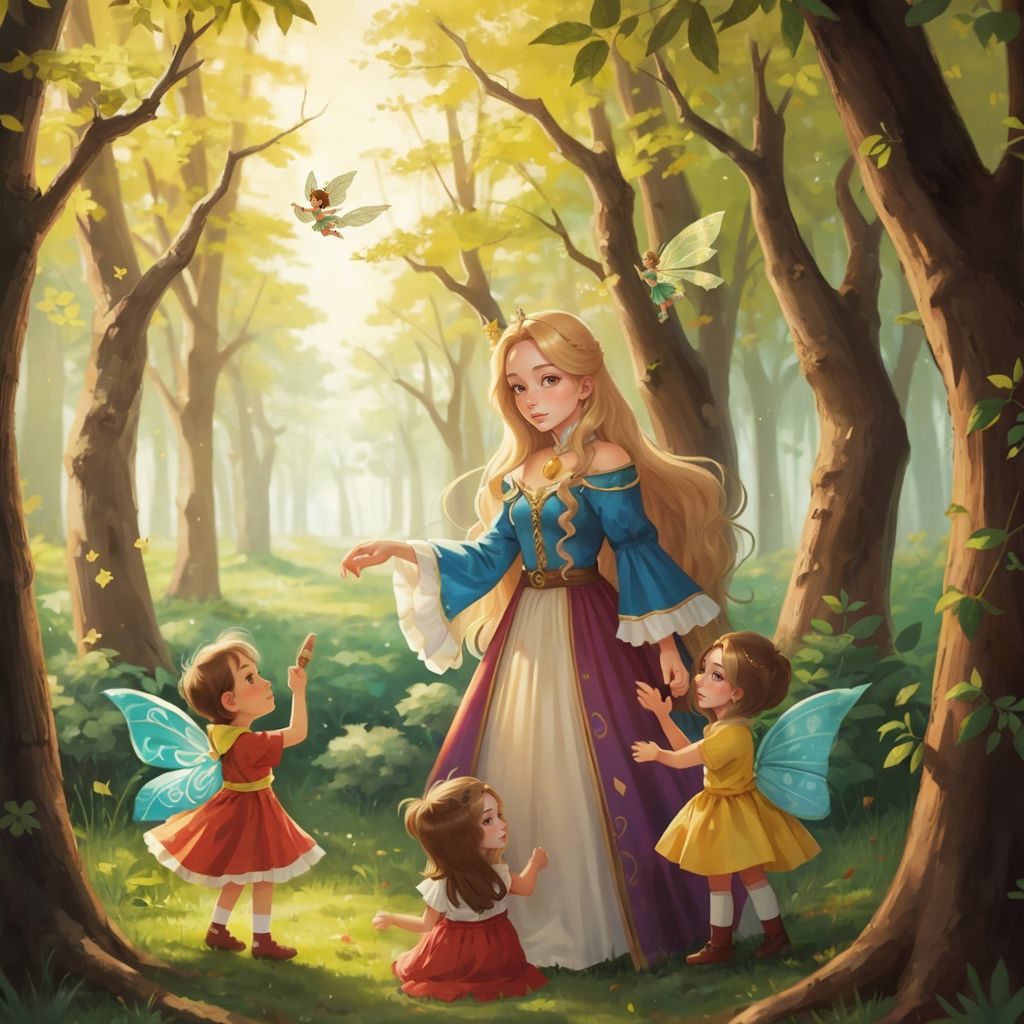
Once in a mystical land of shimmering forests and dancing fairies, there lived a mother like no other. Her name was Elara, and she had three precious children, -two adventurous boys named Leo and Finn and a little princess named Lily, whos eyes could lite up the night sky. Elara's love for her children knew no boundries. She watched over them with eyes that twinkled like the stars, and a heart that glistened with warmth. But in this enchanting land, in a wicked shadow lurked, trying to steal away the love that bound Elara’s family together. One fateful night, as the moon hung low in the sky, a dark sorcerer known as Malador crept into their cottage. With the most evil laugh Elara’s had ever heard, he cast a spell that whisked the children up and carried them far away, beyond the reach of their mother's loving embrace. Heartbroken, yet dedicated to bringing her littles home, Elara embarked on a journey through valleys of thorns and mountains of ice, guided by the the whispers of the enchanted forests.. She faced fearsome creatures and treacherous traps, but her love burned bright, lighting the way. After many trials and tribulations, Elara finally reached the sorcerer's lair. With determination so fierce, she challenged Malador and demanded the return of her children. The wicked sorcerer sneered, but Elara's love was a force of nature, unyielding and unstoppable. In a burst of the brightest light, the spell was broken, and her and her children were reunited in a warm embrace. As they snuggled close, Elara wept tears of joy, for in that moment, she knew that no distance, no darkness could ever dim the love she held for her precious trio.
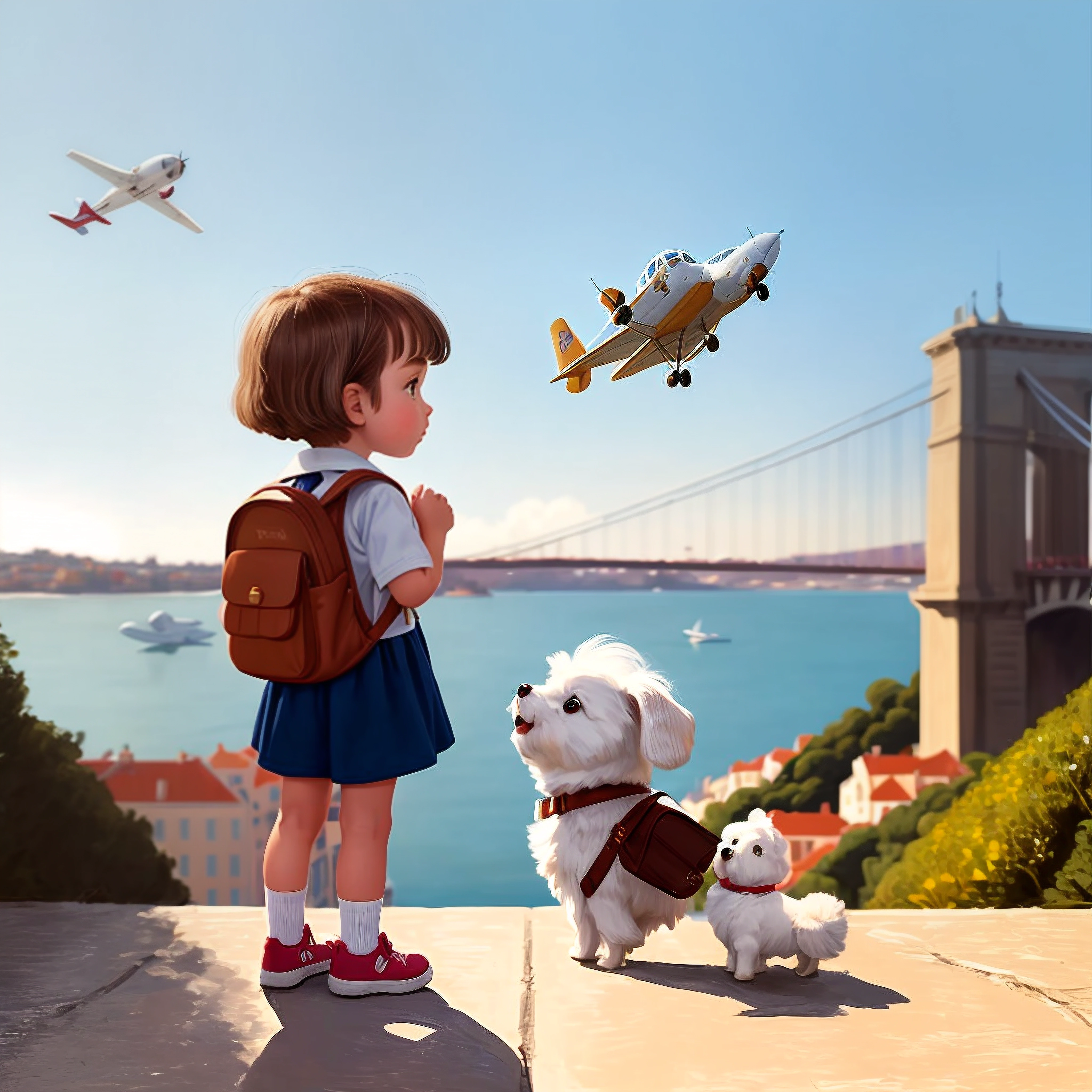
1. A cheerful and fearless little girl named Nina, with her spunky dog Ariel, packing their bags to go to lisbon. Have ariel and nina together 2. Nina and Ariel playing together in the cobblestone streets of Lisbon 3. Nina and Ariel cheerfully riding the tram together through the colorful city of lisbon 4. Nina and ariel laughing and eating Portuguese ham in lisbon 5. nina and ariel cheering and waving from the castle in Sintra Portugal 6. Nina and ariel eating pastel de nata and other sweets while giggling in a pasteleria 7. Nina and Ariel listening to the fado music in the colorful alleys of lisbon 8. Nina playing with ariel in the plaza in the Lisbon 9. Nina and Ariel happily overlooking the bridge in lisbon Portugal 10. Nina happily hugging ariel while watching the sunset in lisbon.

Billy and sister Riley are superheroes. They save the world from a villain that traps people in video games

WRITE a kids book about a little boy who loved to dance. The boy name should be chance, who loves to give trouble but always make you laugh because he is always dancing IN JAMAICA
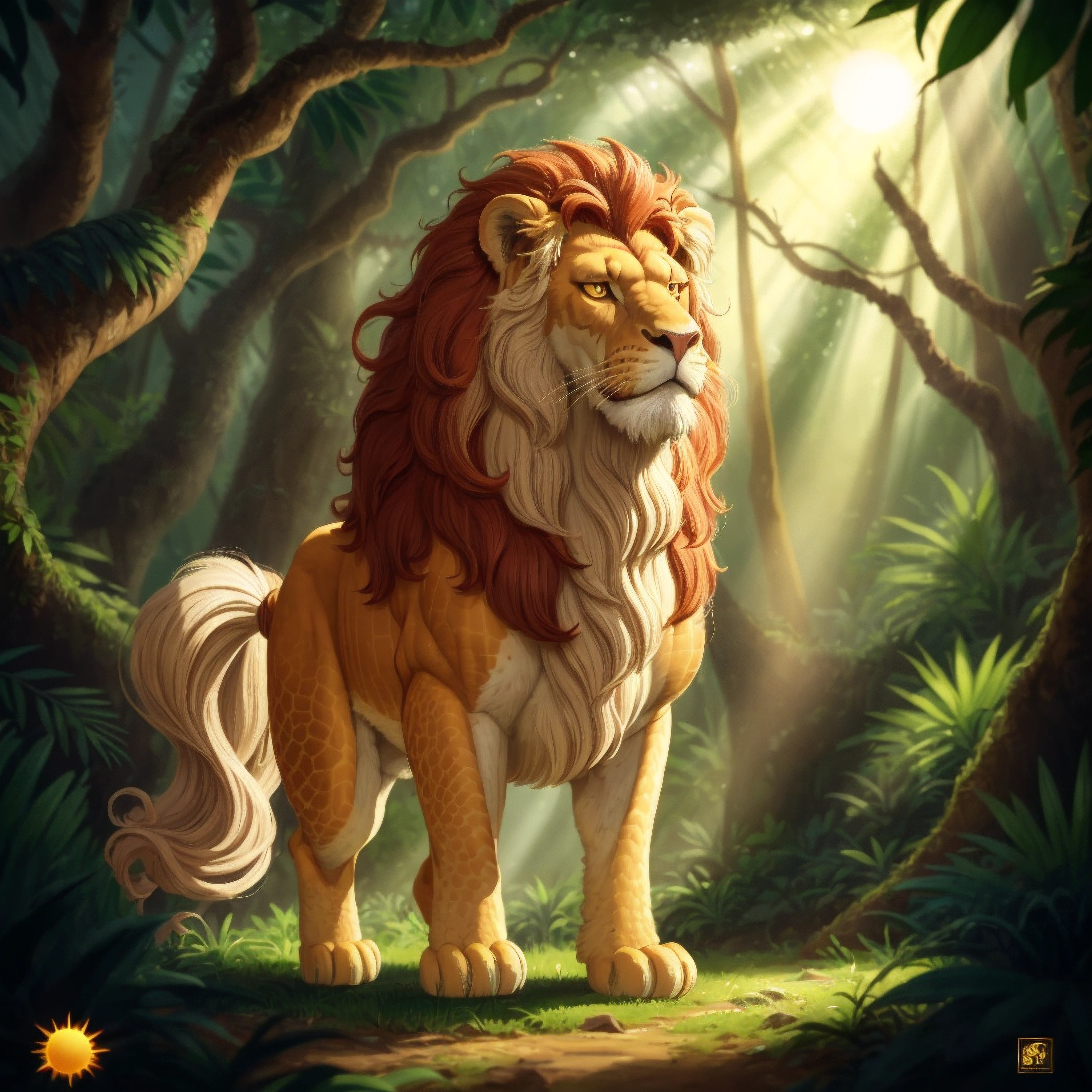
In the heart of the jungle Leo the Lion ruled with a mighty roar. His golden mane glistened in the sun and all creatures respected his wisdom. One day Leo noticed a little bird named Pip struggling to build a nest. Touched by kindness, Leo offered his mane for shelter. In return, Pip sang the sweetest tunes, filling the jungle with joy. One day, a giraffe came to him, who was tall with yellow stripes and soft fur, and they became friends. From that moment on, everyone in the jungle was friends, proving that the real king is not the most powerful, but the one who shares kindness with all. Leo's roar became a melody, uniting the jungle in harmony.
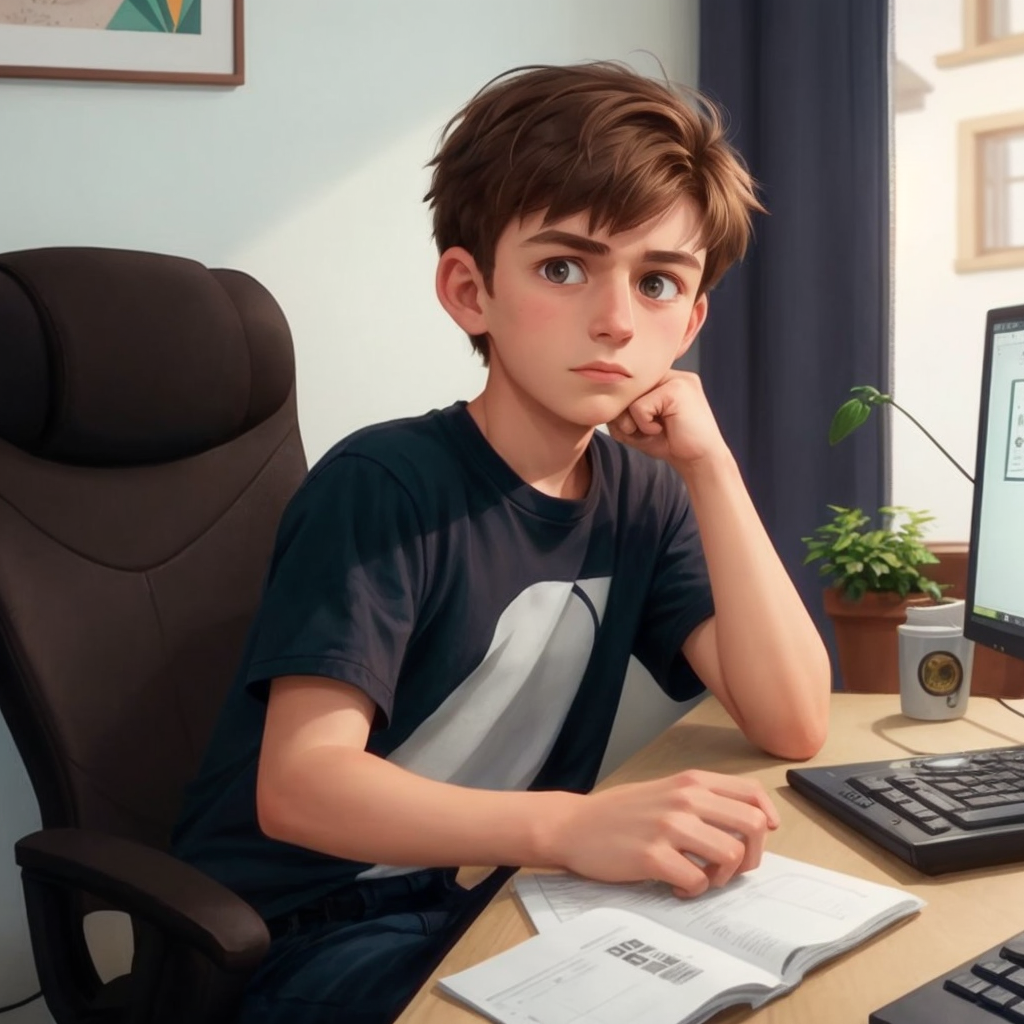
Chris waited for months on this game ( Fox Nation) . he had it preordered and everything. Today was the day! words couldn't describe how excited he was. Chris's Fingers were trembling with excitement as he created an account for the first time... he thought to himself. "What should my Username be? " as he sat staring at the screen.. Mak! sounded Good. Shoot he thought as he got an error. Username to short.. ok what goes with Mak... NATION!! thats it. User Name Maknation he thought to himself.. " Perfect it worked, He was now logged in and decided to put on his VR goggles and dropped in to a new world. He landed in a field, Standing up he looked around noticing what looked like a town in the far off distance with smoke coming from it. once he got closer he realized they were under attack from a dragon. using his own magic he and an intense battle he was able to defeat the dragon saving the town.
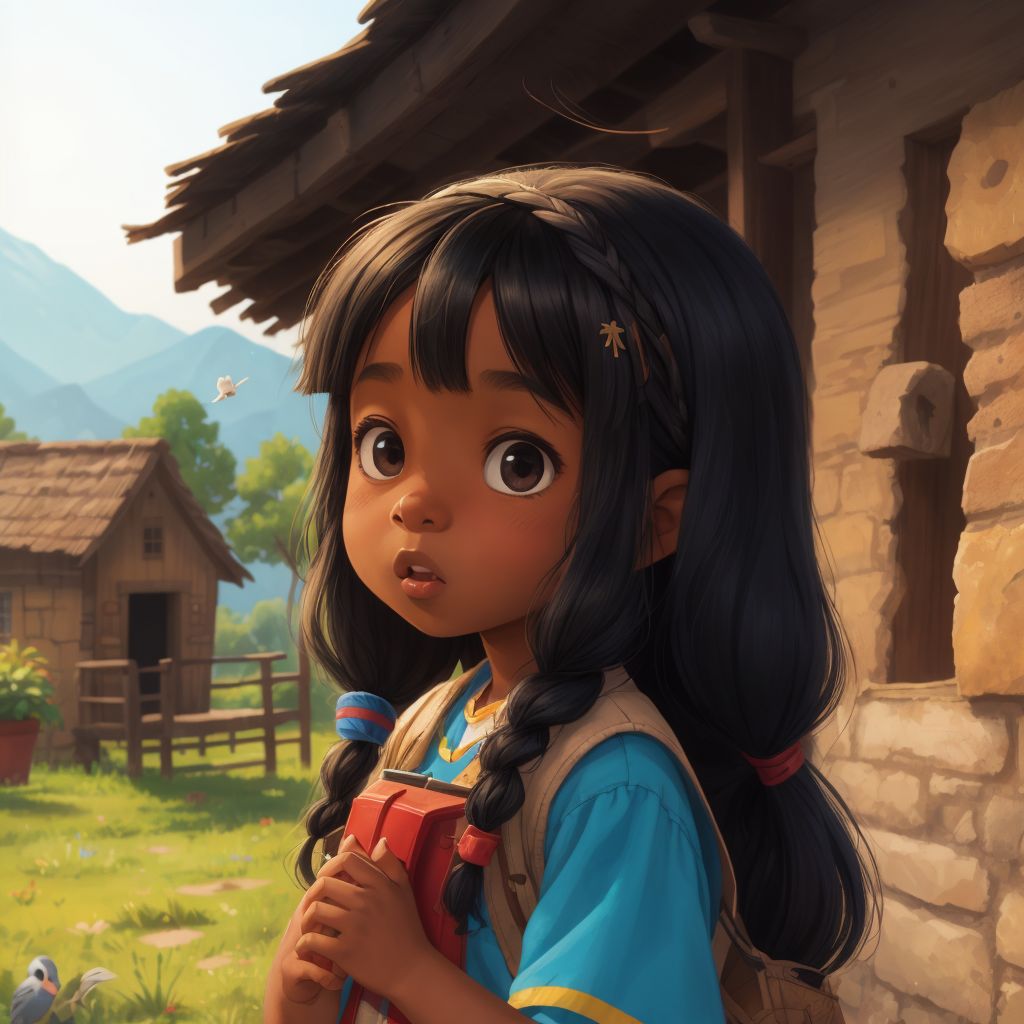
Once upon a time, in a bustling village hidden in the heart of an enchanted forest, there are two notable living children named Kofi and Nia who are black children. These inseparable siblings are widely known for their extraordinary abilities and kind hearts.
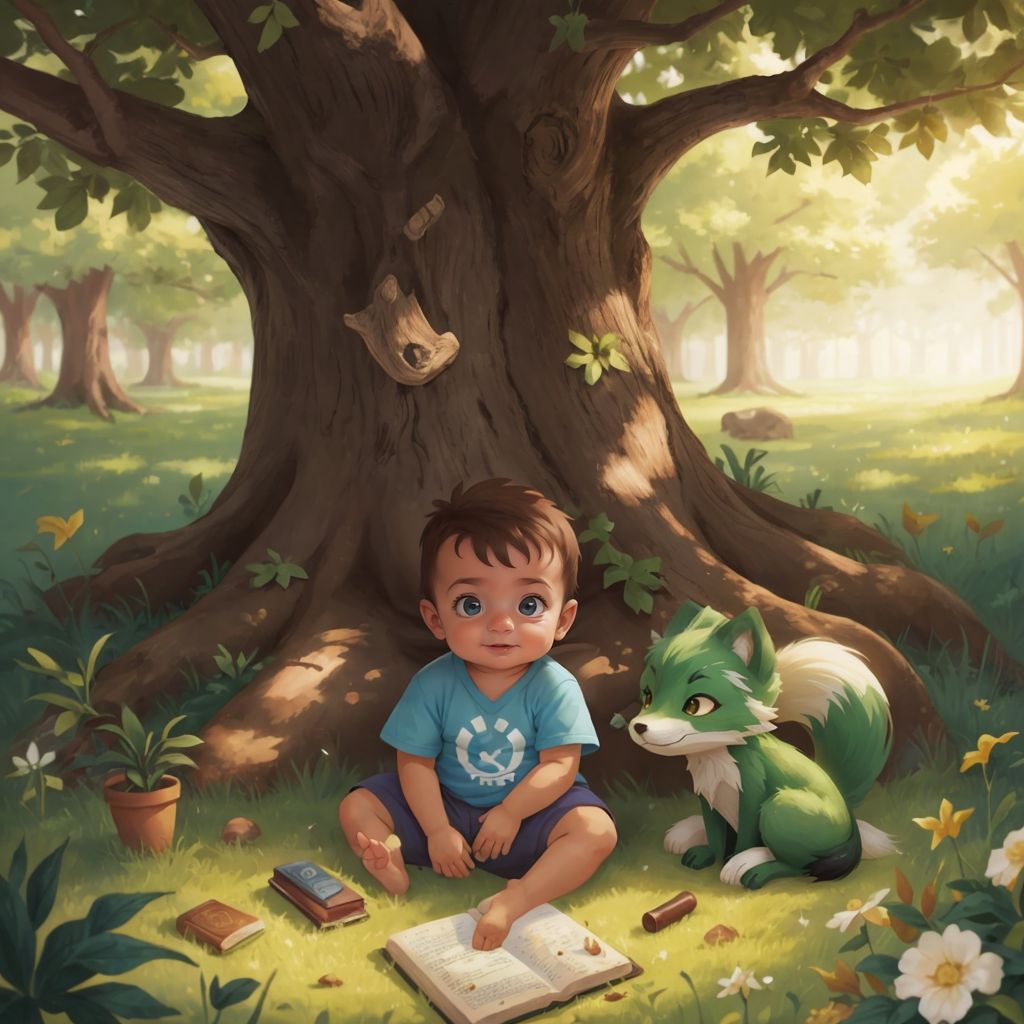
1. John Jr and Jade read the Bible verse ""Be on your guard; stand firm in the faith; be courageous; be strong." Foun in 1 Corinthians 16:13. They pondered the meaning of Courage. They thought about how courageous Jesus was to completely surrender His life to God. As a result, He made a way for all humanity to be saved from sin by being crucified. John Jr told Jade that Jesus went about with boldness and confidence. John Jr and Jade wanted to be more courageous like Jesus. 2..Jesus taught people not to fear but to be courageous because God is always with them.John Jr and Jade felt comfort in Jesus' teachings and decided to make a list on how to be more courageous. They felt it was courageous to try new things, talk to people they don't know, speaking up, falling down and still keep going, facing difficulties/challenges even when hard. doing things on their own, and being able to face discomfort or pain. John Jr and Jade decided to put those courageous ways into practice 4. Jesus praised John Jr and Jade for being so courageous and told them how pleased God was them.

Let there be teddy bears working in a factory that produces colorful clouds
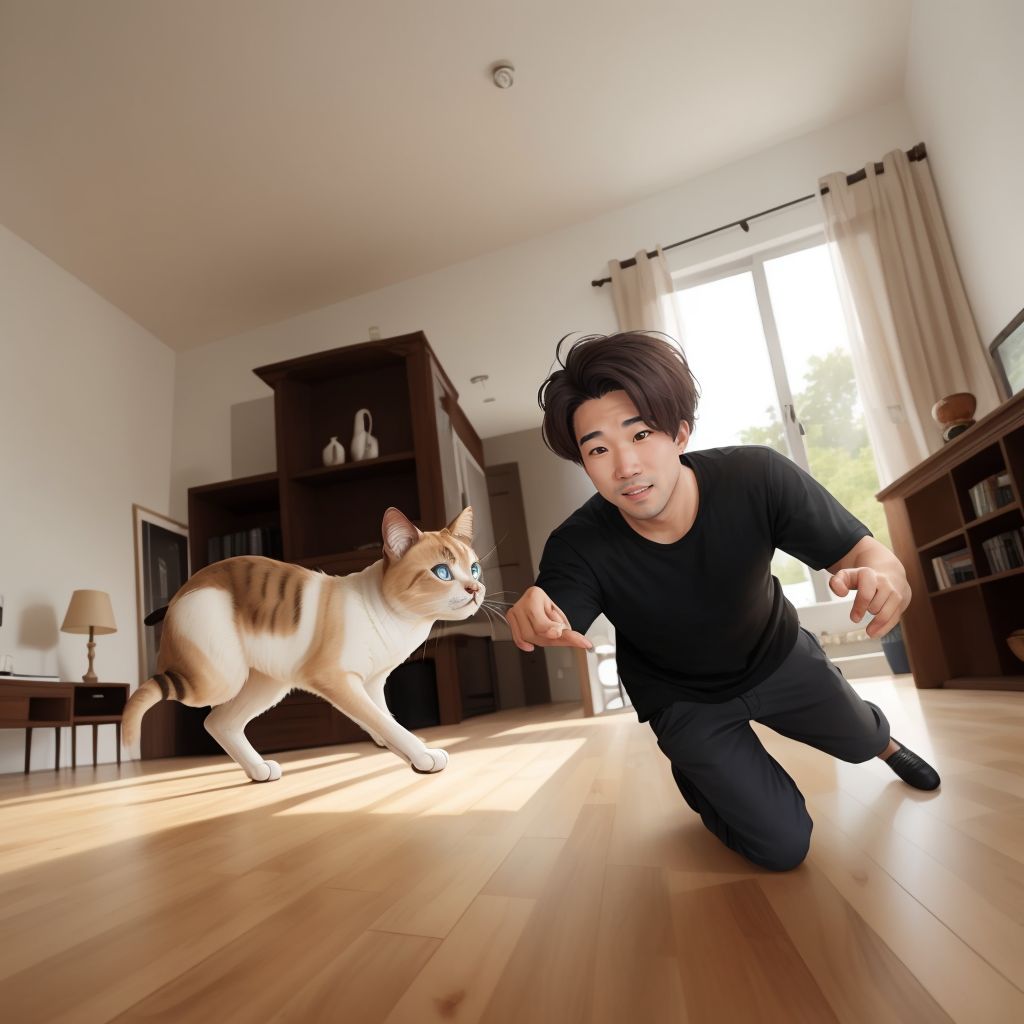
Bran is a happy cat. He is 1 year old. Bran has two owners, Kōhei and Mika. They love him very much.Kōhei loves to play with Bran. They run and jump together. Mika loves to cuddle with Bran. She gives him lots of hugs and pets. One day, Bran saw a bird outside the window. He wanted to catch it! Bran tried to catch the bird, but it flew away. He was so fast!After his big adventure, Bran was tired but happy. He curled up and took a nap.Kōhei and Mika were so proud of Bran. They hugged him and said, "We love you, Bran!"Kōhei and Mika were so proud of Bran. They hugged him and said, "We love you, Bran!"
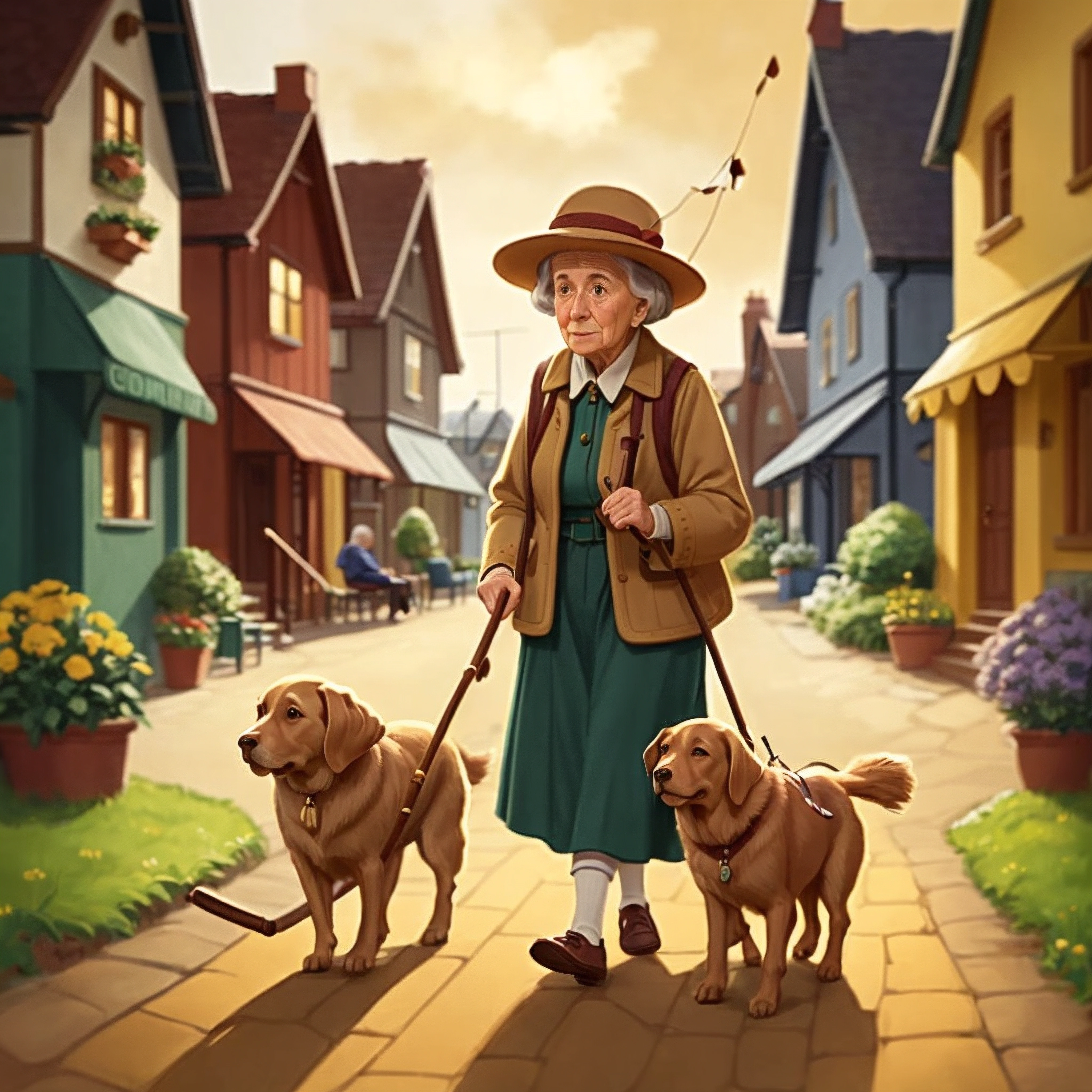
Guide Dog Pearl and her vision impaired friend Pam goes on a magical wonderland journey together and meet up with friends and family.
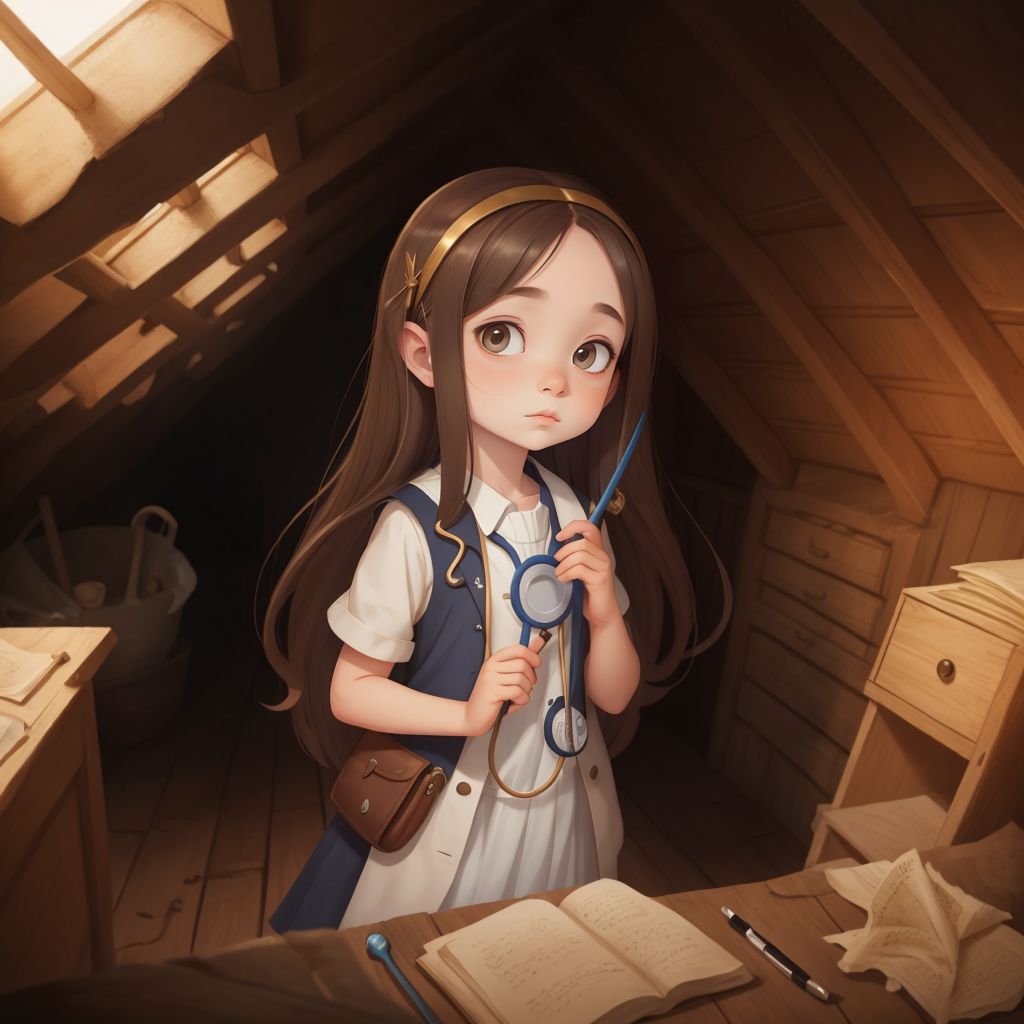
Lydia, a curious young girl, dreams of becoming a doctor. With the help of her magical stethoscope, she shrinks down and embarks on adventures inside the human body, learning about different organs and systems.
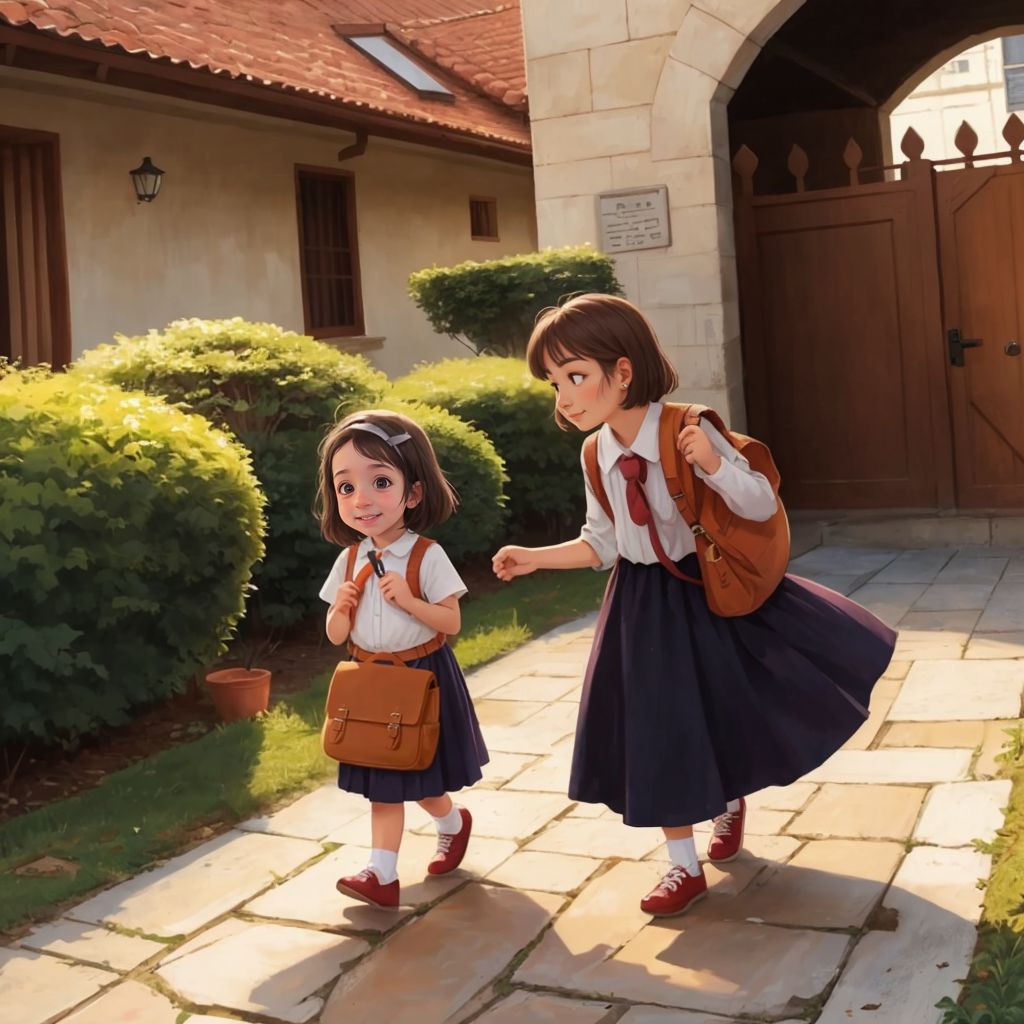
Nil okula başlıyor yaşı altı öğretmeni ve arkadaşları ile tanışacağı için çok mutlu ve heyecanlı
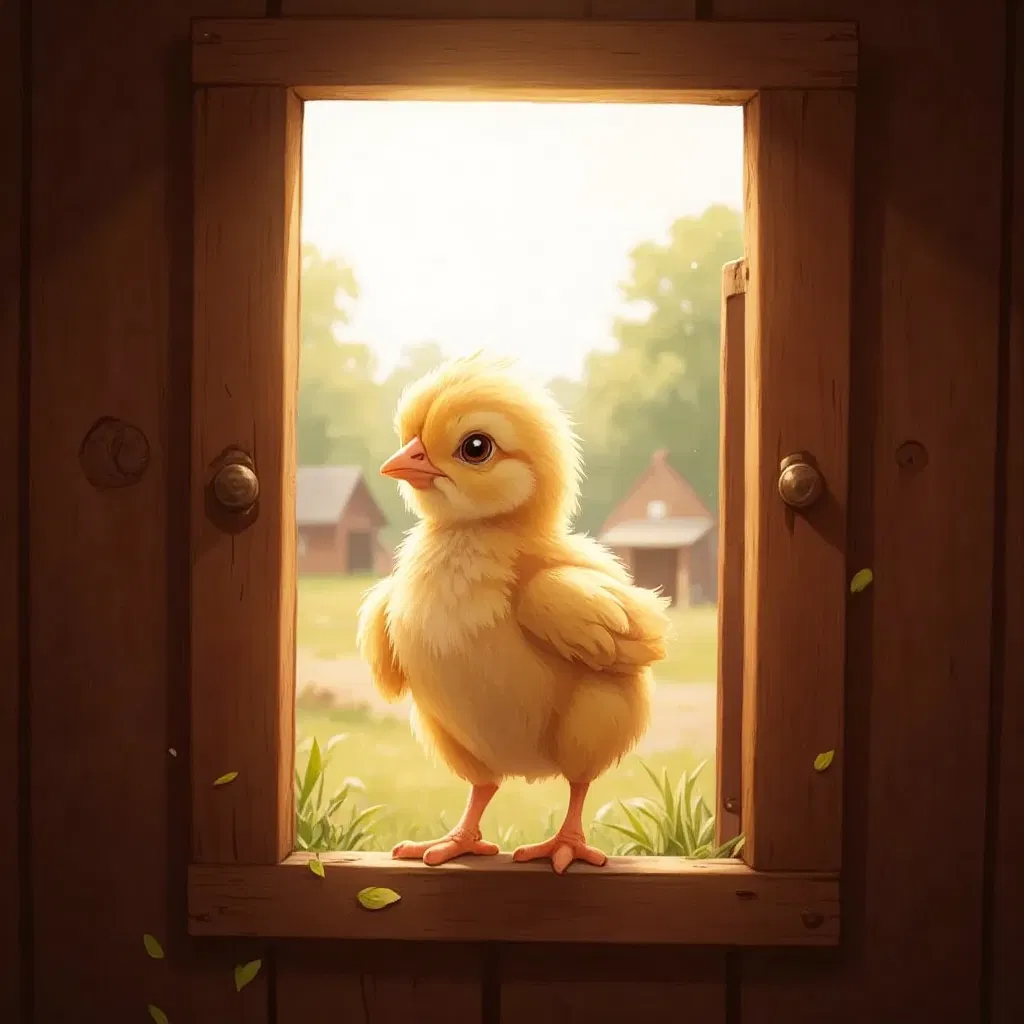
A little chicken, watching all the kids having fun from his chicken house, decides he wants to be just like them. He has fun, he gets in trouble and he meets a little girl called Rosie who helps him be the human child he wanted to be.
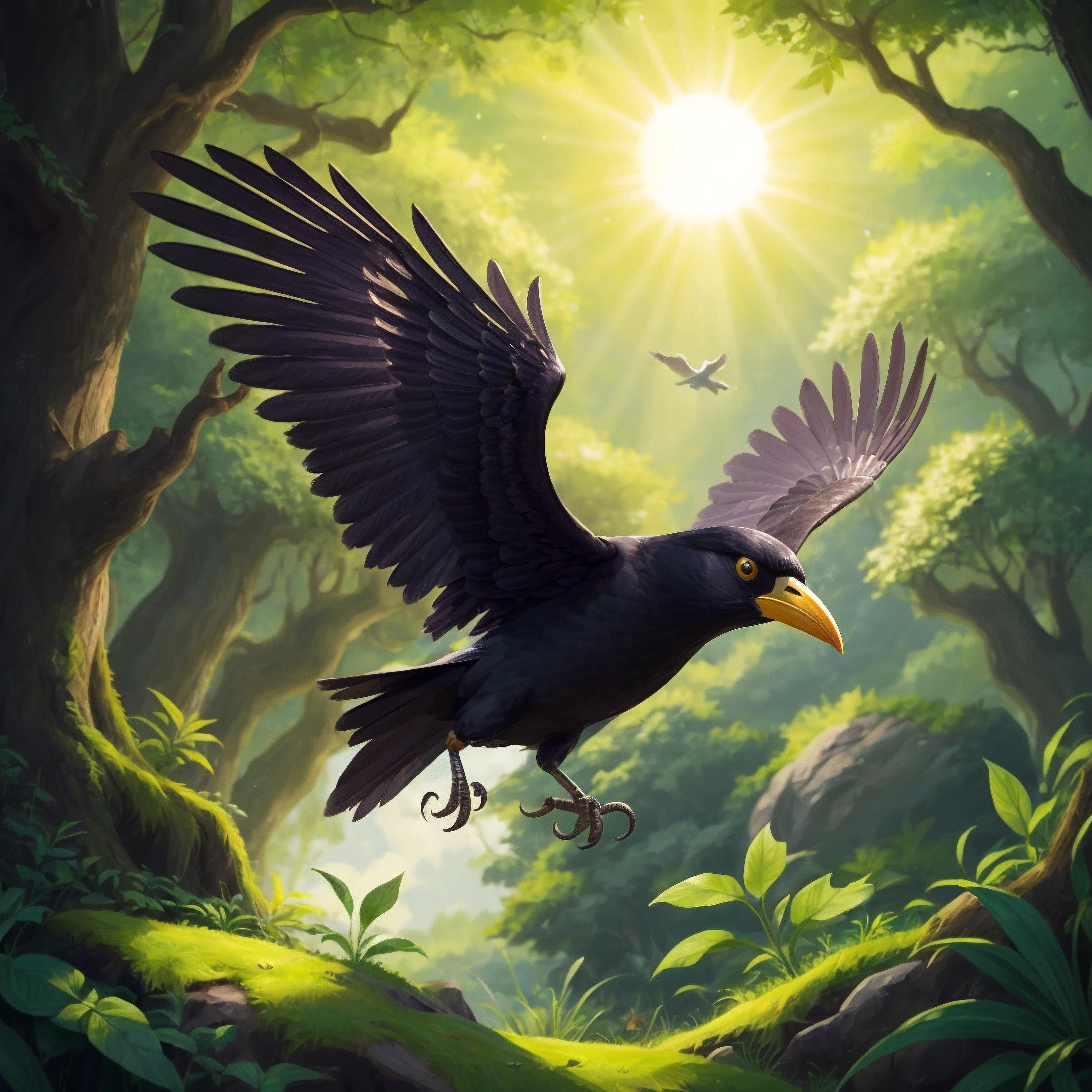
A thirsty crow is flying in the clear sky, its beak wide open
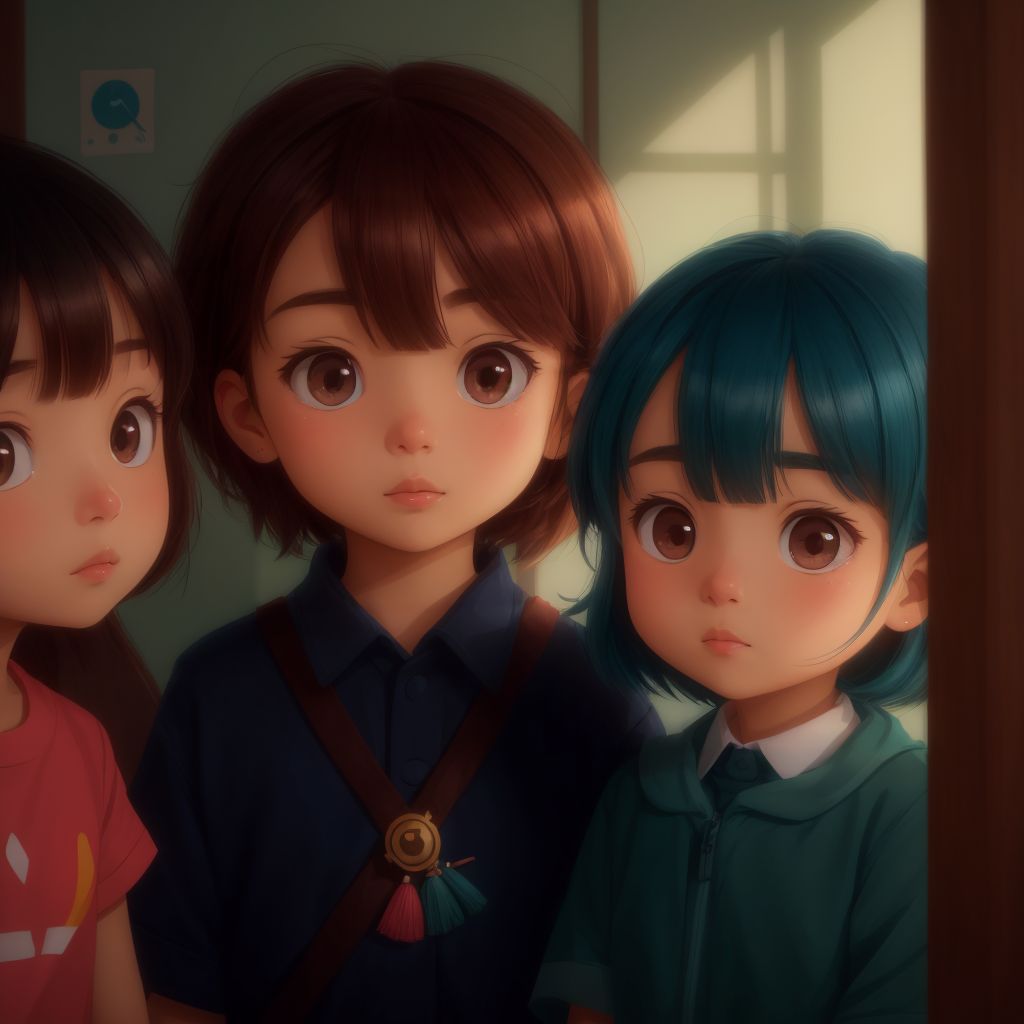
in a small house, aira and her sisters, lily and pia, and their brother tom lived happily together. they loved playing with toys and laughing all day long. but one day something strange happened...
A educational book about the four major lobes of the brain and their function
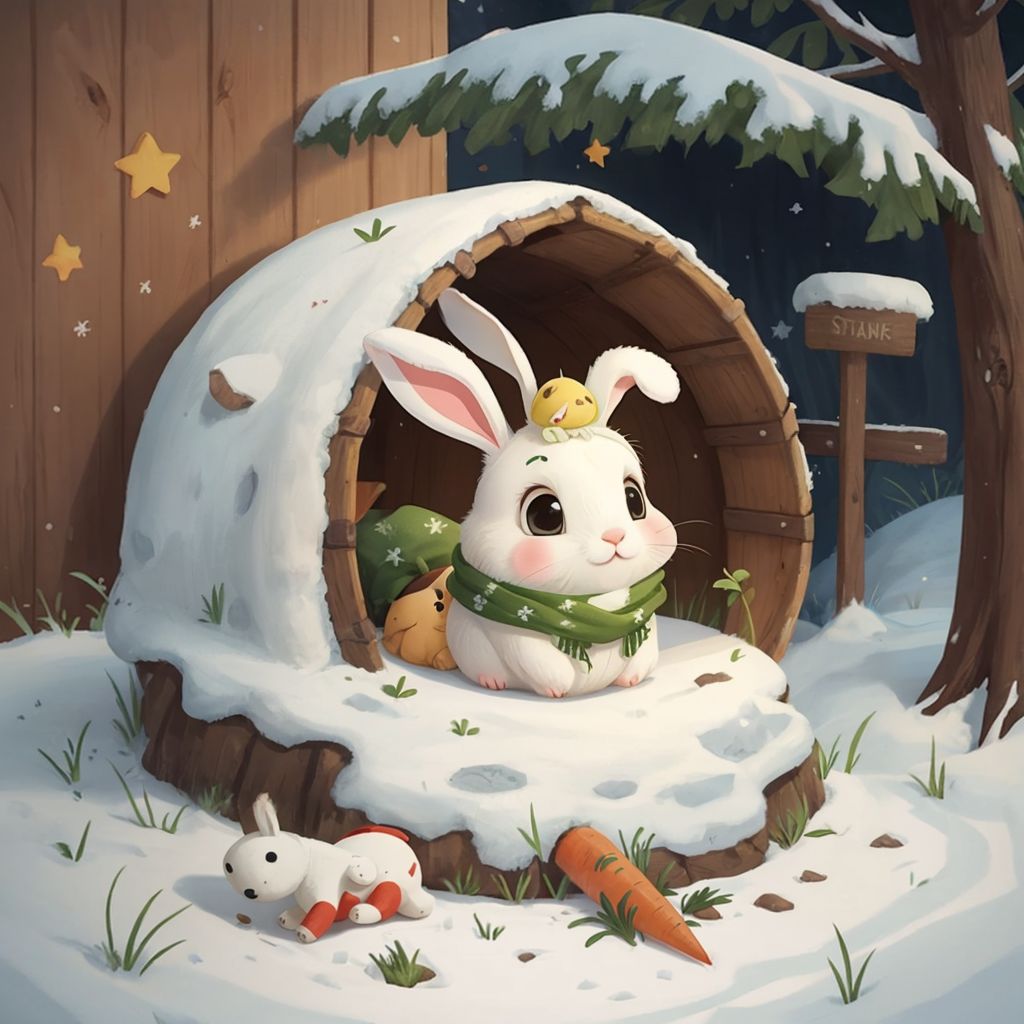
Benny the Bunny, a small white bunny with light brown spots and a green scarf, sits in his cozy burrow, surrounded by scattered toys and carrots. The walls are soft and curved, leaving room for text. Benny peeks out from his burrow and looks at the snowy forest. Snowflakes fall gently from the sky, and the trees are covered with snow, providing space for text. Benny tilts his head curiously as Robin the bird explains New Year’s Day. Robin sits on a tree branch, and Benny stands below, with plenty of open space in the snowy forest for text. Benny stands next to Sage the Squirrel, who holds a scroll with ‘New Year’s Resolutions.’ The peaceful forest provides a calm backdrop, leaving room for text. Benny sits thoughtfully in his burrow, looking around at the mess. The cozy burrow is spacious, with warm light glowing and space for text. Benny stands proudly with a broom in front of his burrow, ready to clean. The forest outside is quiet, and there’s plenty of open space for text in the snowy background. Benny tries to clean, but toys and carrots fall over. The burrow looks cozy yet messy, and the snowy forest outside leaves room for text. Benny sits in his messy burrow, feeling overwhelmed. The space feels warm, with scattered toys, carrots, and plenty of room for text. Benny listens as Sage the Squirrel offers encouragement. The snowy forest around them leaves open space for text. Benny, with a determined smile, begins organizing his toys. The cozy burrow’s background is clear, allowing plenty of room for text. Benny stands proudly in front of his tidied burrow, beaming with pride. The forest is serene, and there’s space for text in the soft, glowing light. Benny hops toward Robin, ready to share his New Year’s resolution. The snowy forest provides an open, calm space for text, with snowflakes gently falling.
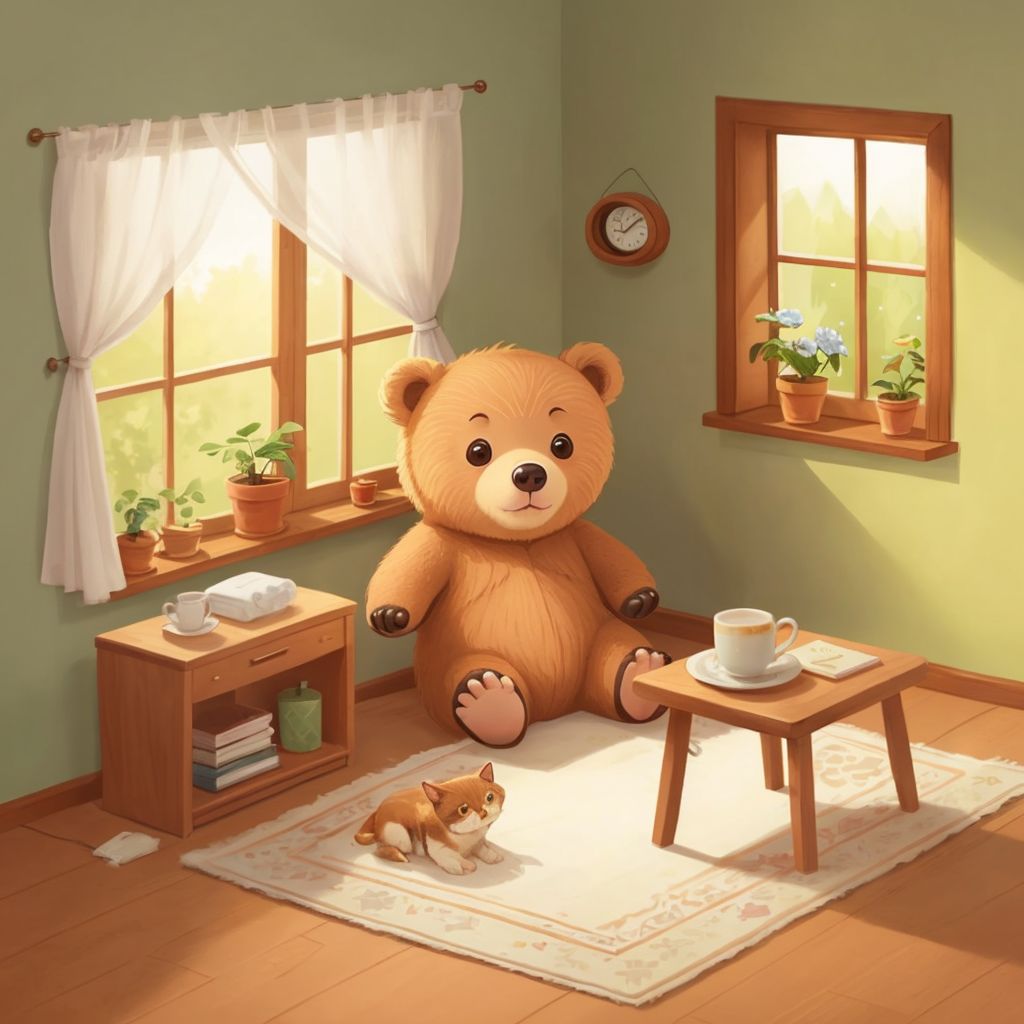
the same as goldilocks and the three bears but the rolls are reversed