
 Start Read
 Recommend
Transforma tus compras o ventas en múltiples ganancias ¡real e inteligentemente!
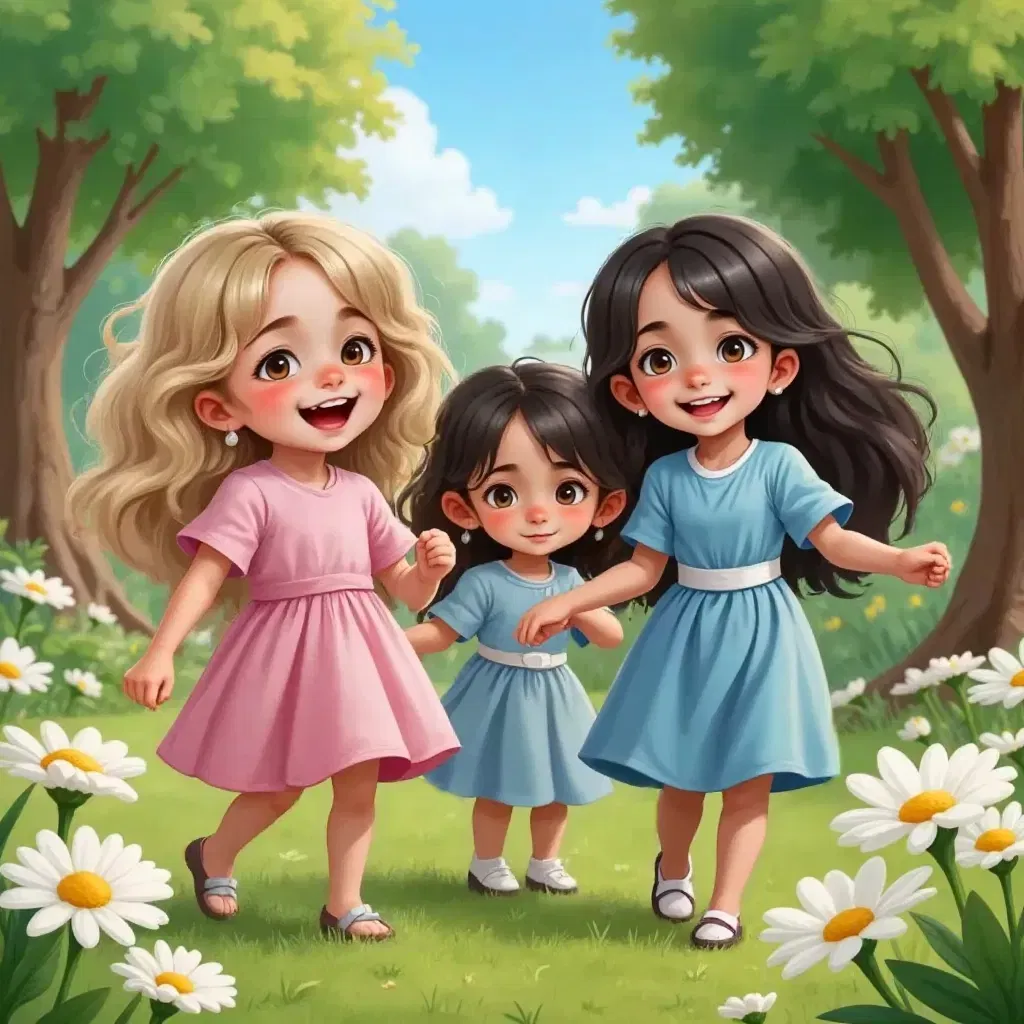
Three sisters, Maya, Lila, and Sophie, live in a cozy house at the edge of a forest. Maya and Lila have long, straight black hair, while Sophie, the youngest, has soft, curly brown hair. Though Sophie loves playing with her sisters, she often feels different because of her curly hair. She wishes her hair was like theirs, thinking it would make her fit in better. One day, Sophie shares her feelings with her sisters, and they reassure her, telling her how much they love her curly hair and how it makes her unique. They remind her that everyone has something special about them. Grandma Mai, too, shares a story about how she once felt the same about her curly hair but later realized it made her special, like a colorful bird among others. Sophie begins to embrace her curls, feeling proud of what makes her different. Her sisters and Grandma’s love help her see that her curls are part of what makes her beautiful and one of a kind. Sophie learns to love herself just as she is, and from then on, she celebrates her unique, curly hair. The End.
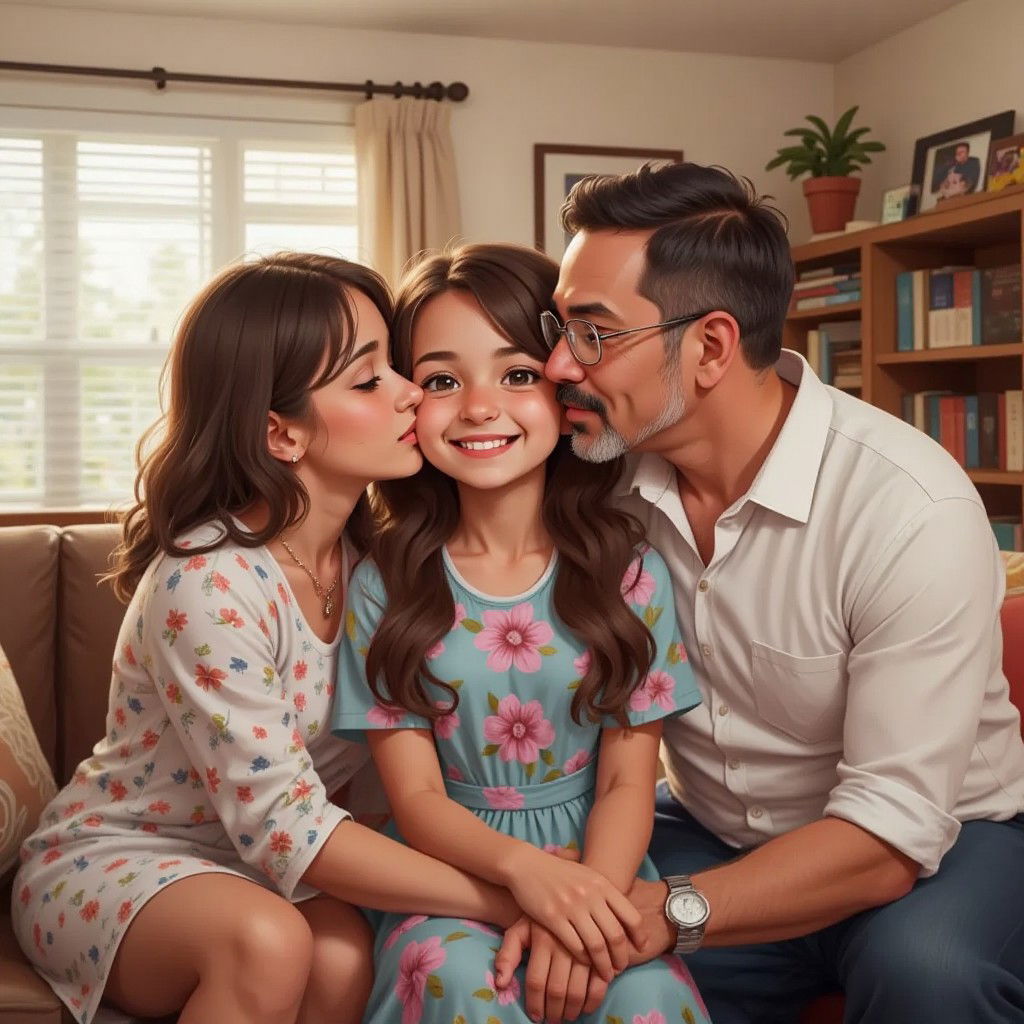
This is Peddy, and she is excited for her first day of school. Peddy kissed her mom and dad goodbye and walked out the door. As she happily sang, she made sure to walk on the side of the road where she could see approaching vehicles. On her way, Peddy saw Ian using his phone while walking and gasped, "Oh no!" She quickly approached Ian and said, "Good morning, Ian! Don’t use your phone while walking; it’s dangerous." Ian quickly put his phone away. "Oh, hi! Thank you for telling me, Peddy. Come on, let’s walk together!" As they continued walking, Peddy noticed white lines painted across the road. "Ian, we should walk on the pedestrian lane. Pedestrian lanes are designed to help us cross the road safely." They were about to cross when Peddy saw a traffic light ahead with three different colors. She stopped at the sidewalk. Ian looked at Peddy in confusion. "Why did you stop, Peddy? Come on! There are no cars anymore; we can cross the road." Peddy shook her head. "No, Ian. The traffic light is green, which means vehicles can go. Red means stop, and yellow means slow down." Ian then noticed the pedestrian signal. "Does the hand palm sign mean we should wait and not cross yet?" Peddy nodded. "Yes! And look, now the walking man signal has lit up. That means we can cross safely. That’s a pedestrian signal!" Ian was about to step forward, but Peddy stopped him again. "Before crossing, we should always follow the Stop, Look, and Listen rule. Stop before stepping onto the road. Look for approaching vehicles. Sometimes you can’t see them, so listen carefully for any nearby cars. If it’s all clear, then we can cross." Ian nodded, understanding the safety rules. Finally, Peddy and Ian walked across the pedestrian lane safely. They greeted the school guard happily, feeling secure and ready for their first day of school.
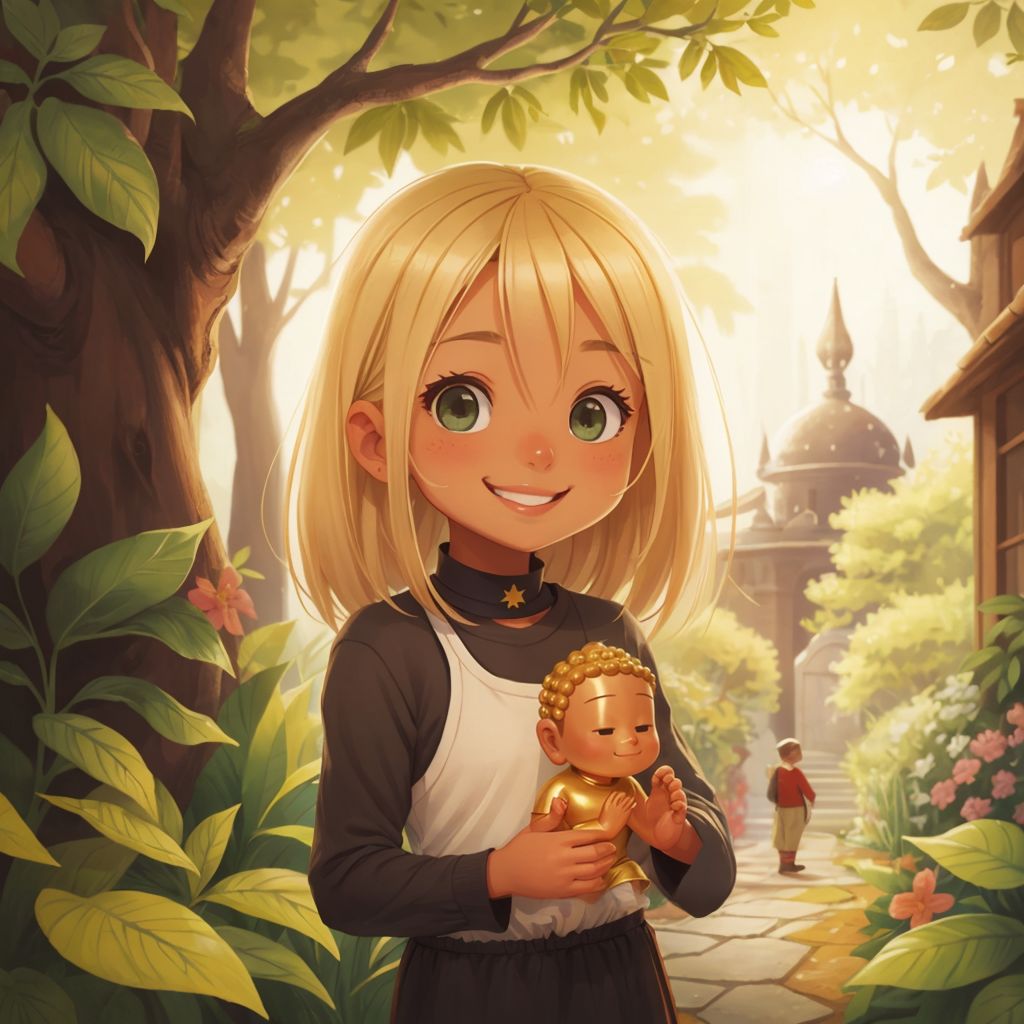
Pema, a young who discovers her inner peace, her Buddha Buddy, who helps her stay happy even when surrounded by the negativity of her some of her friends, Tina and Stacy.
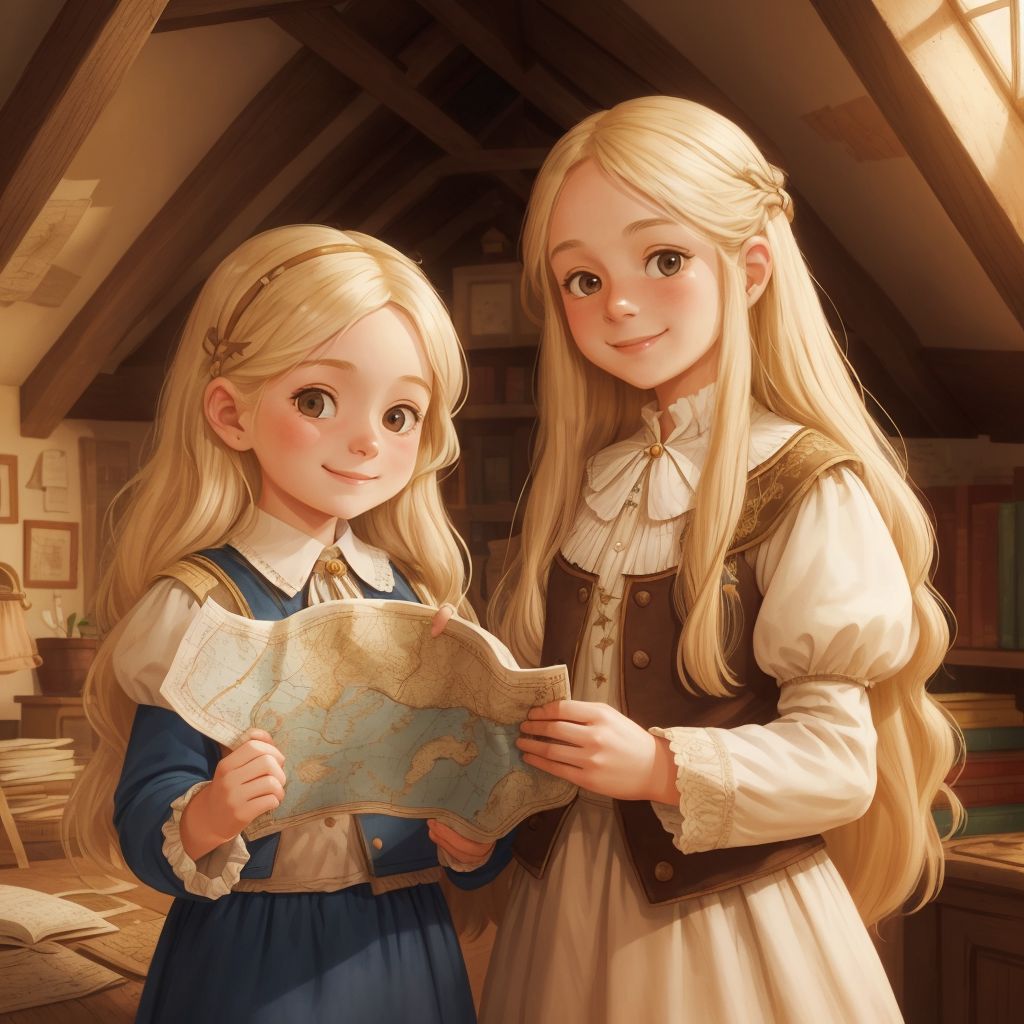
In a seaside village, curious Nikol, her adventurous mom, and loyal dog Rocky find a treasure map. Setting sail, they encounter friendly sea creatures. Through storms and wonders of the deep, they uncover treasure, realizing the true riches lie in their bond and the magic of the ocean.
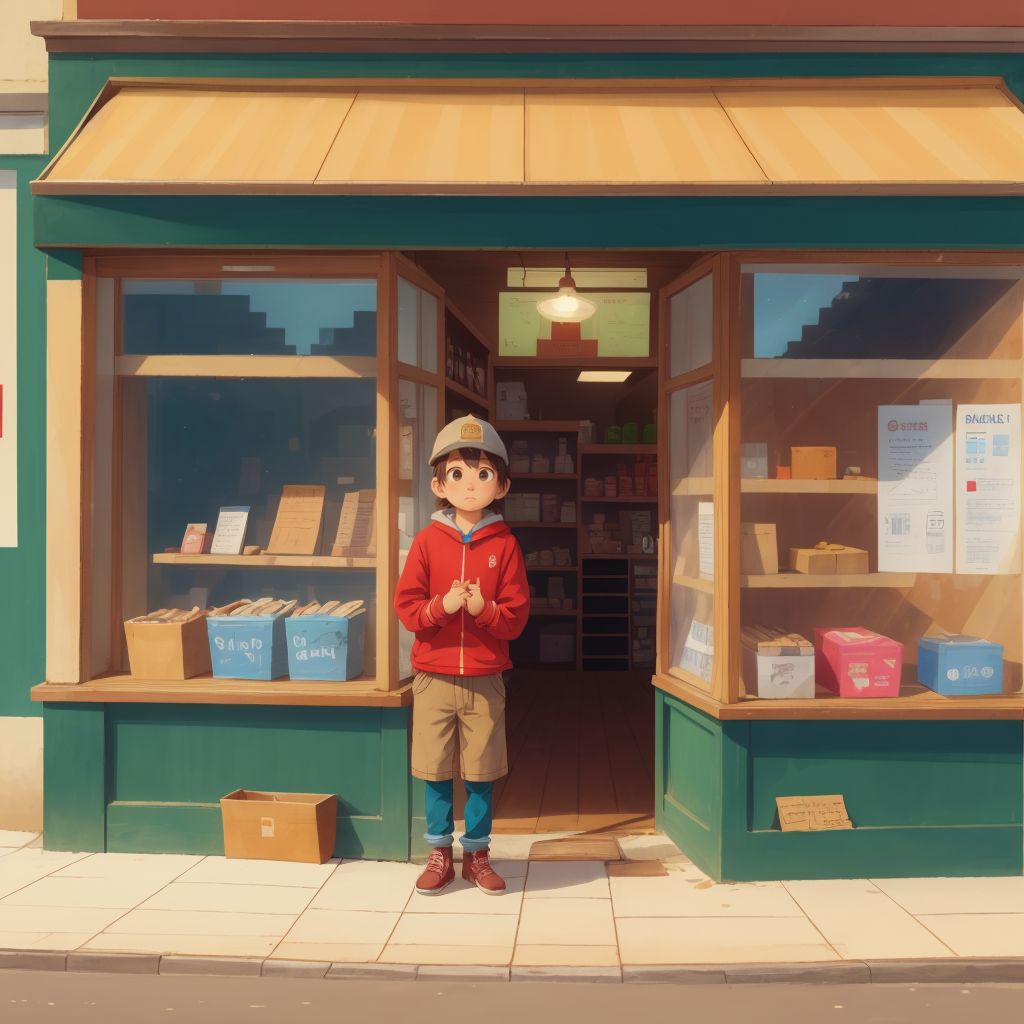
A boy from a middle-class family started a business and faced so many challenges,at the end he was successful in his business
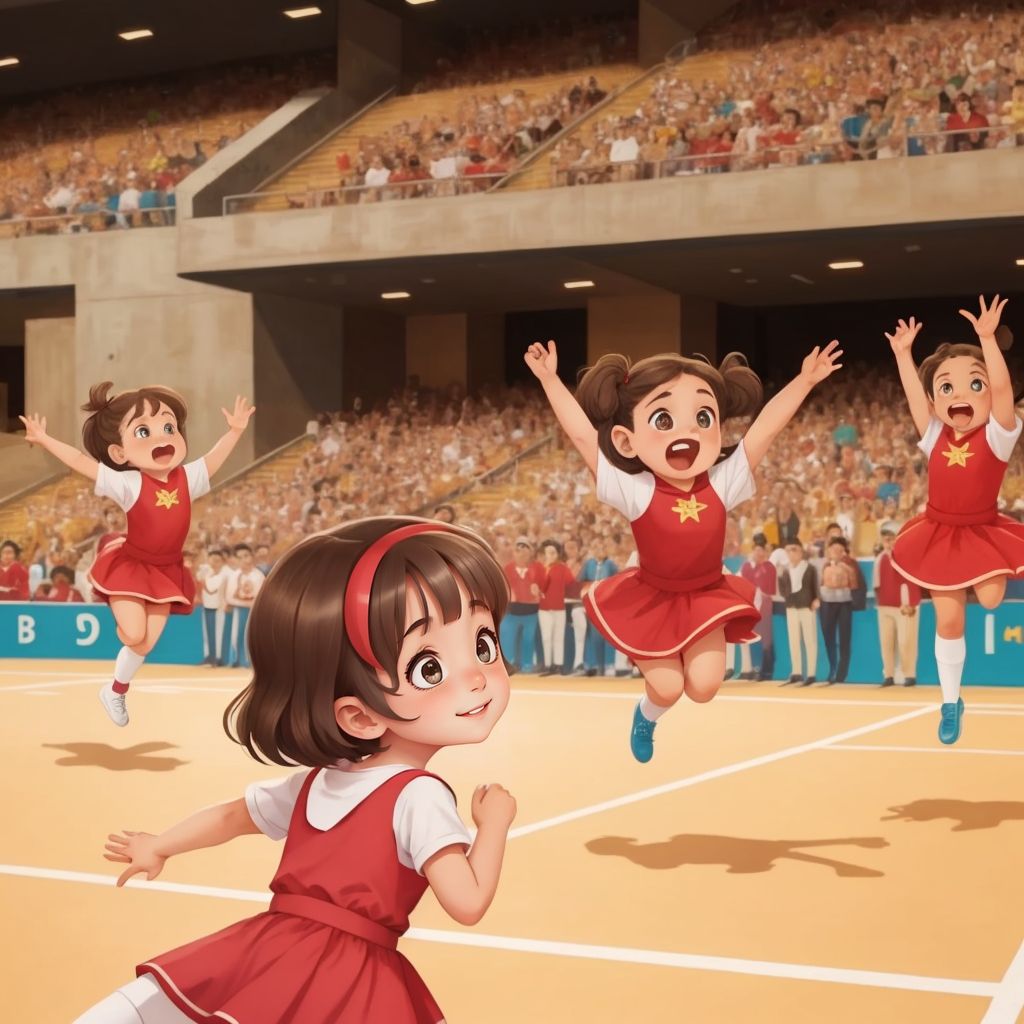
Little girl wants to be a cheerleader
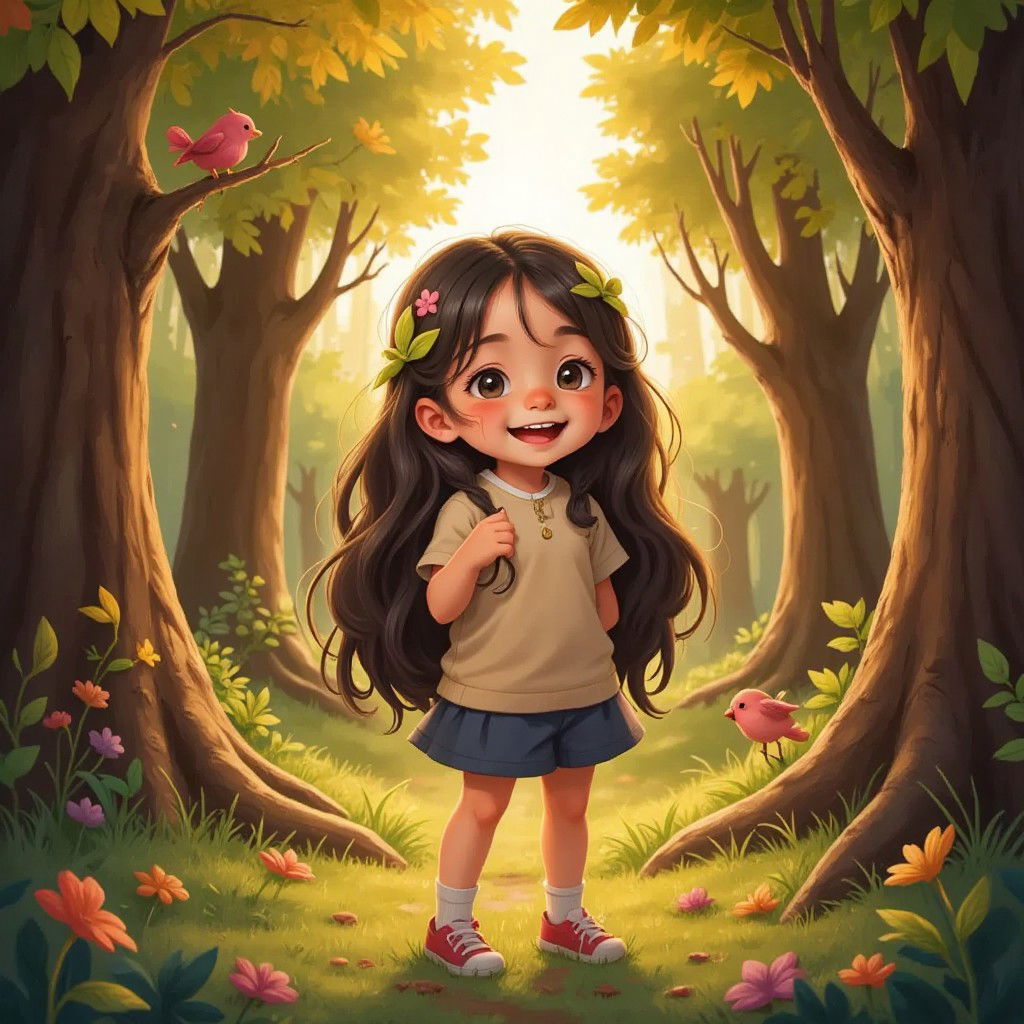
book should be designed for children ages 4 to 6 and tell the story of a young Indigenous child from the Amazon Rainforest named Tainá (or another culturally appropriate name). Tainá lives in harmony with nature and learns valuable lessons about protecting the environment in her daily life. Through engaging storytelling, simple language, and vivid descriptions, the book should follow Tainá as she faces small challenges—helping animals, planting trees, keeping rivers clean, and understanding the importance of the rainforest. The story should be continuous, maintaining a warm and adventurous tone that educates children about environmental care while keeping them entertained. There should be no interruptions, summaries, or breaks—just a complete, engaging book with a satisfying and inspiring ending where Tainá realizes her role as a young guardian of nature. Make sure the storytelling is immersive, fun, and easy to understand for young readers.
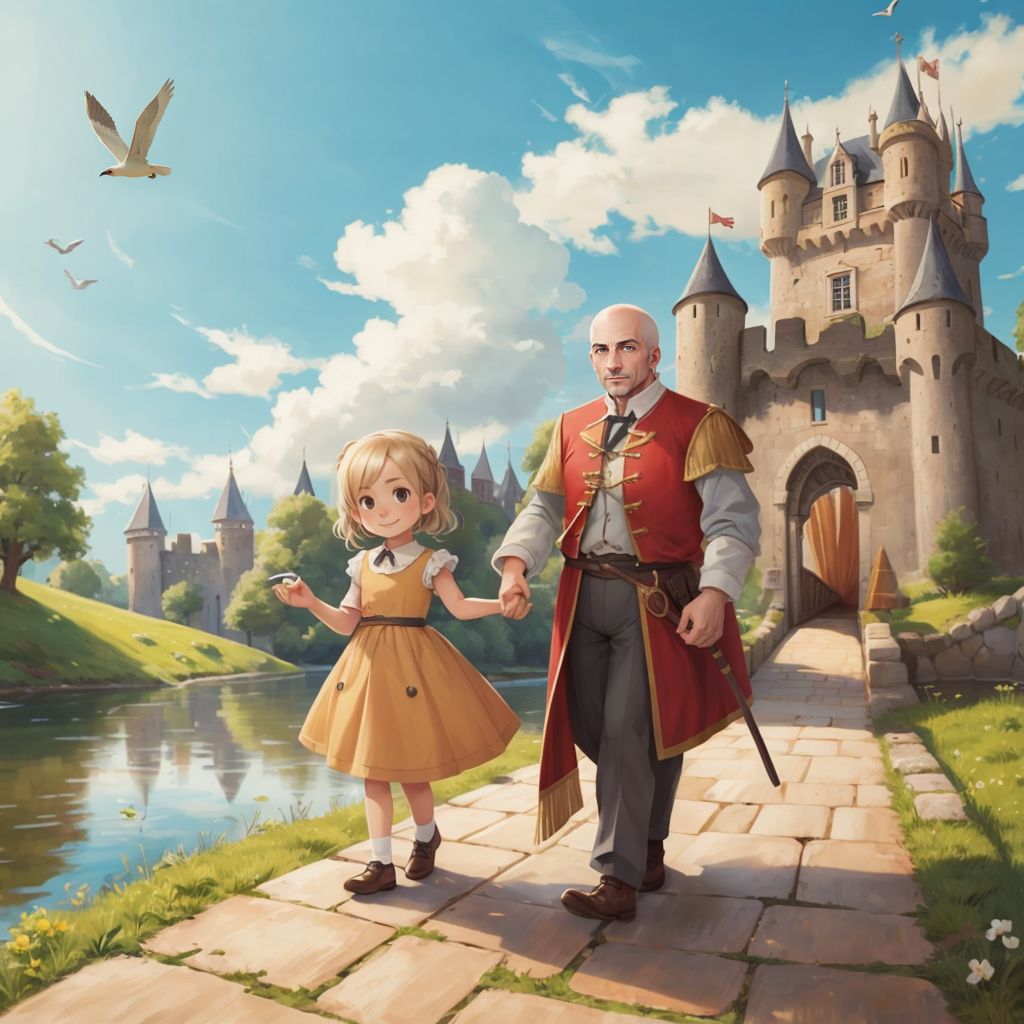
Aurora spends the day with her papa getting into all kinds of crazy trouble. There is a castle, motes, and crazy spell.
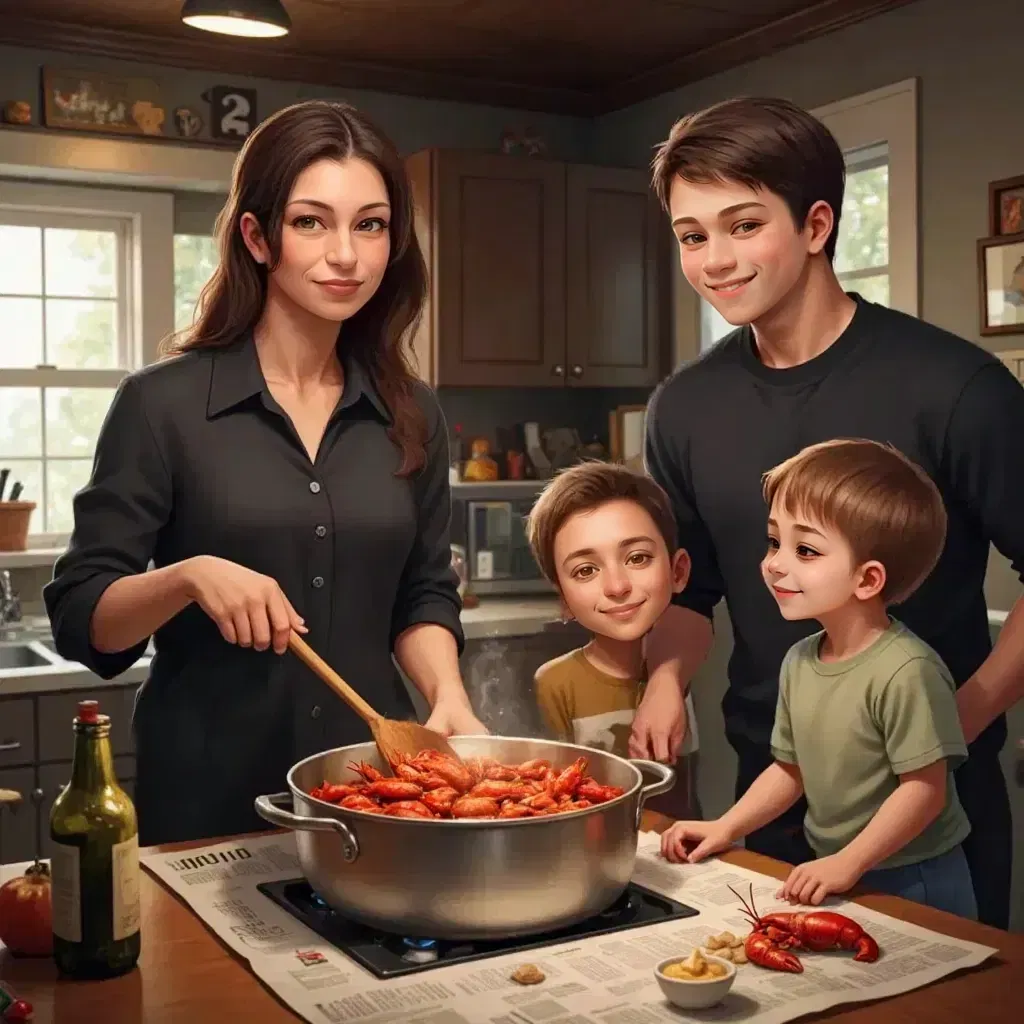
The smell of boiled crawfish filled the Louisiana kitchen, mixing with steam rising from the big silver pot. The wooden table was covered in newspaper, already stained with seasoning, and piled high with bright red crawfish, steaming potatoes, and golden corn. Gage sat on his knees, eyes wide as he stared at the mound of crawfish in front of him. His little brother wiggled in his high chair, smacking the tray while Daddy leaned back with a grin, beer in hand. Momma rolled up her sleeves. “Alright, cher, time to learn how to peel a crawfish.” Momma laughed, grabbing a fat crawfish. “Ain’t no wrong way, long as you get the meat out. But I’ll show you the right way.” She held the crawfish up. “First, grab it where the head and tail meet—right here. Now twist.” With a quick motion, she popped off the head. “Some folks suck the head for the good juices.” Gage gagged. “Ew, no way!” Daddy chuckled. “More for me, then!” Momma shook her head, smiling. “Alright, suit yourself. Now, pinch the end of the tail, squeeze a little, and pull.” She slid out the perfect piece of meat and dipped it in butter. “See? Easy.” Gage copied her, his fingers fumbling at first—twist, pinch, pull. Out came the juicy meat. “I did it!” Momma clapped. “That’s my boy! Now try it.” He dipped it in the butter and took a bite. His face lit up. “Mmm! That’s good!” His little brother babbled, reaching for the pile. Daddy laughed. “Looks like we got another crawfish lover.” The kitchen filled with laughter as they peeled and ate, passing corn and potatoes around. Gage wiped his hands and reached for another. “Momma, I think I’m getting good at this.”Momma ruffled his hair. “Told you, cher. Crawfish season ain’t just about eatin’. It’s about family.” And that night, under the warm glow of their Cajun kitchen, Gage became a true crawfish peeler.
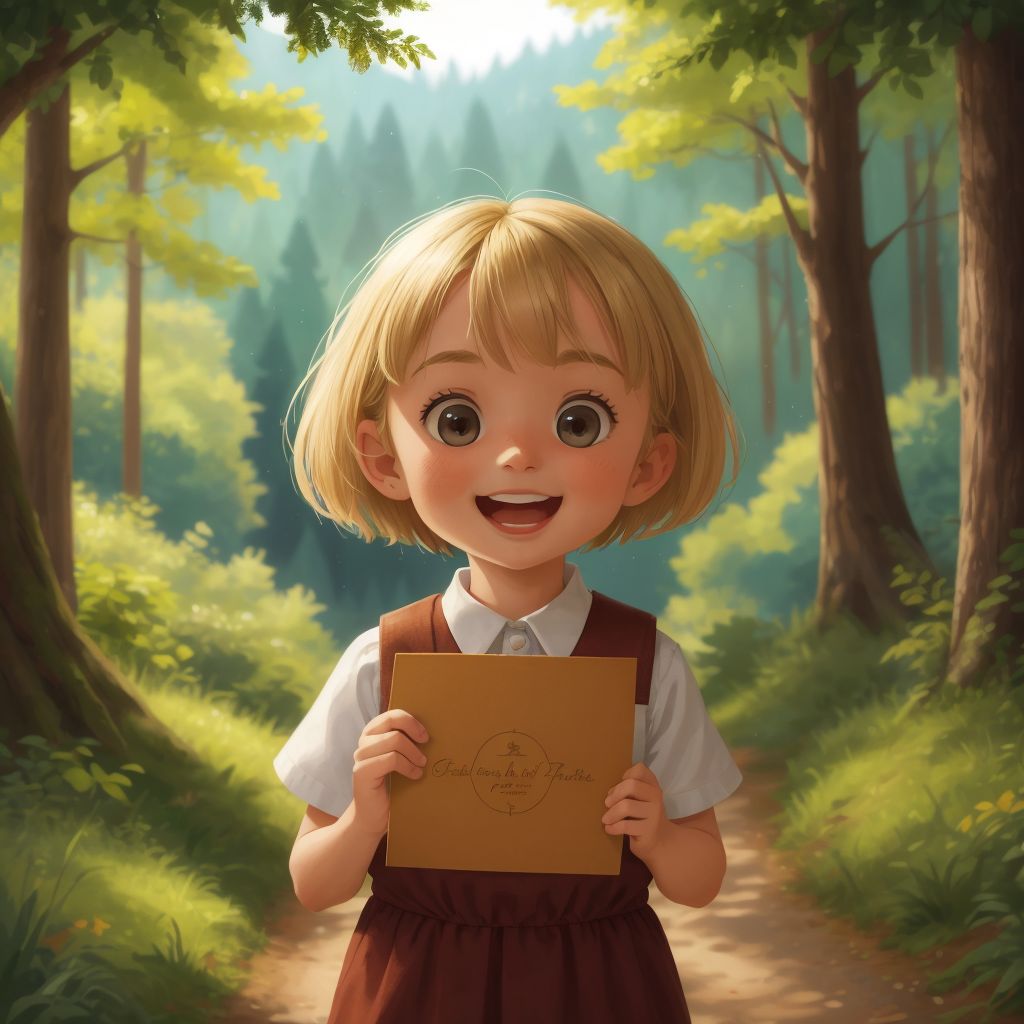
Little sophie surrounded by her friends all excited
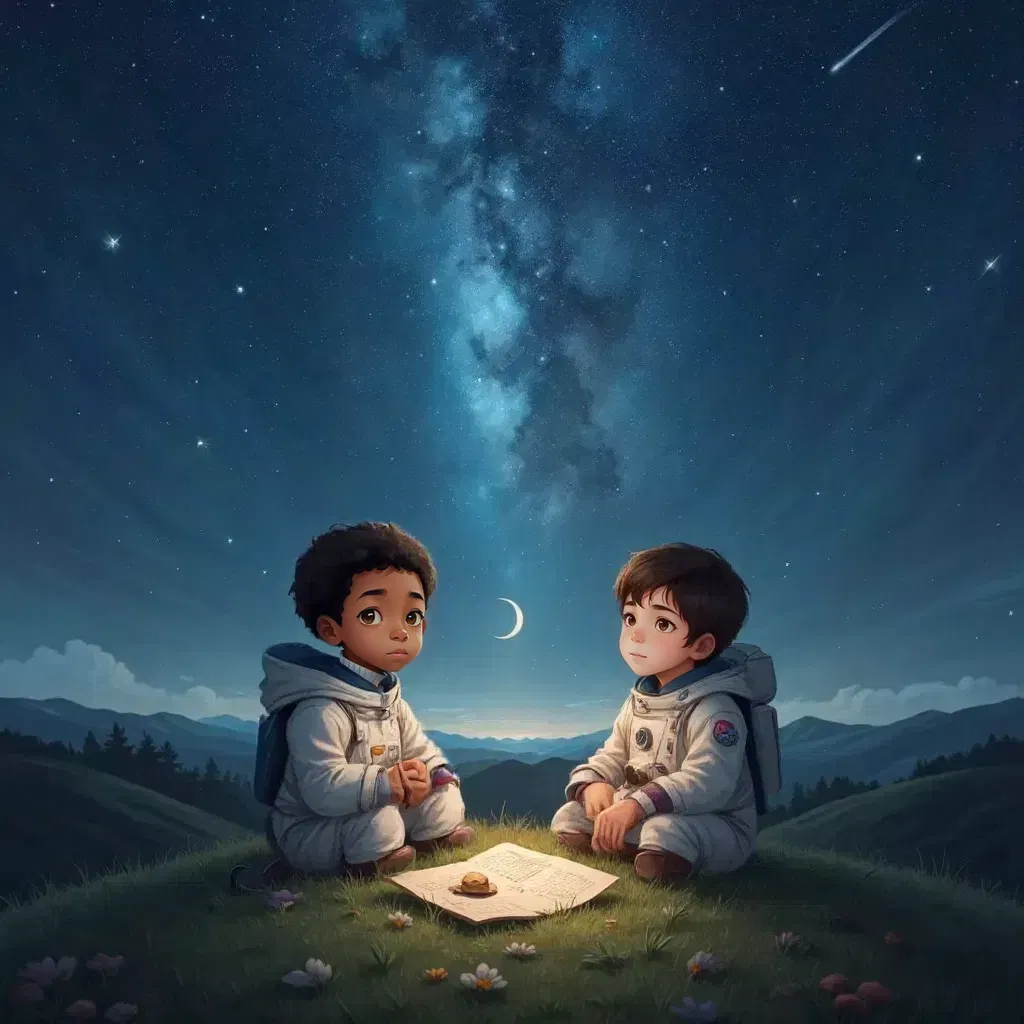
"Wow, Max! Should we take a trip to Mercury?" Henry exclaimed. "Absolutely, Henry! Let's go!" Sam replied. "Henry, did you know that Mercury is the closest planet to the Sun?" Sam asked. "Yes! It's only about 36 million miles away from the Sun. That's less than half the distance from the Earth to the Sun!" Henry replied. As the spaceship hovered above Mercury's surface, Sam said, "Henry, it's super hot here during the day. Temperatures can reach up to 800 degrees Fahrenheit!" "But at night," Henry added, "it gets really cold, as low as -290 degrees Fahrenheit. That's quite a swing! Imagine how difficult it would be to live here." Henry and Sam decided to wear their special space suits that kept them cool during the scorching day and warm during the freezing night. They stepped onto the planet's rocky ground, feeling a bit like explorers on a new world. While walking around, they spotted a small, friendly robot. "Hi there! I'm Mercury's Messenger. I was sent to gather information about this planet. Would you like to learn some fun facts?" "Sure!" Henry and Sam said in unison. "Mercury doesn't have an atmosphere like Earth," said the Messenger. "That's why its surface is covered in craters. The lack of air also means there's no wind, and the sky is always black, even during the day." "Wow! That's so different from Earth," Henry said. "How long is a day on Mercury?" The Messenger replied, "One day on Mercury lasts about 59 Earth days. But it orbits the Sun quickly, taking just 88 Earth days to complete one revolution. So, a year on Mercury is shorter than two Mercury days!" As they approached Earth, Henry said, "Sam, we learned so much about Mercury today! It's a fascinating place, but definitely not suitable for humans to LIVE." "You're right, Henry. But it was an incredible adventure, and I'm glad we got to explore it together," Sam replied with a smile.
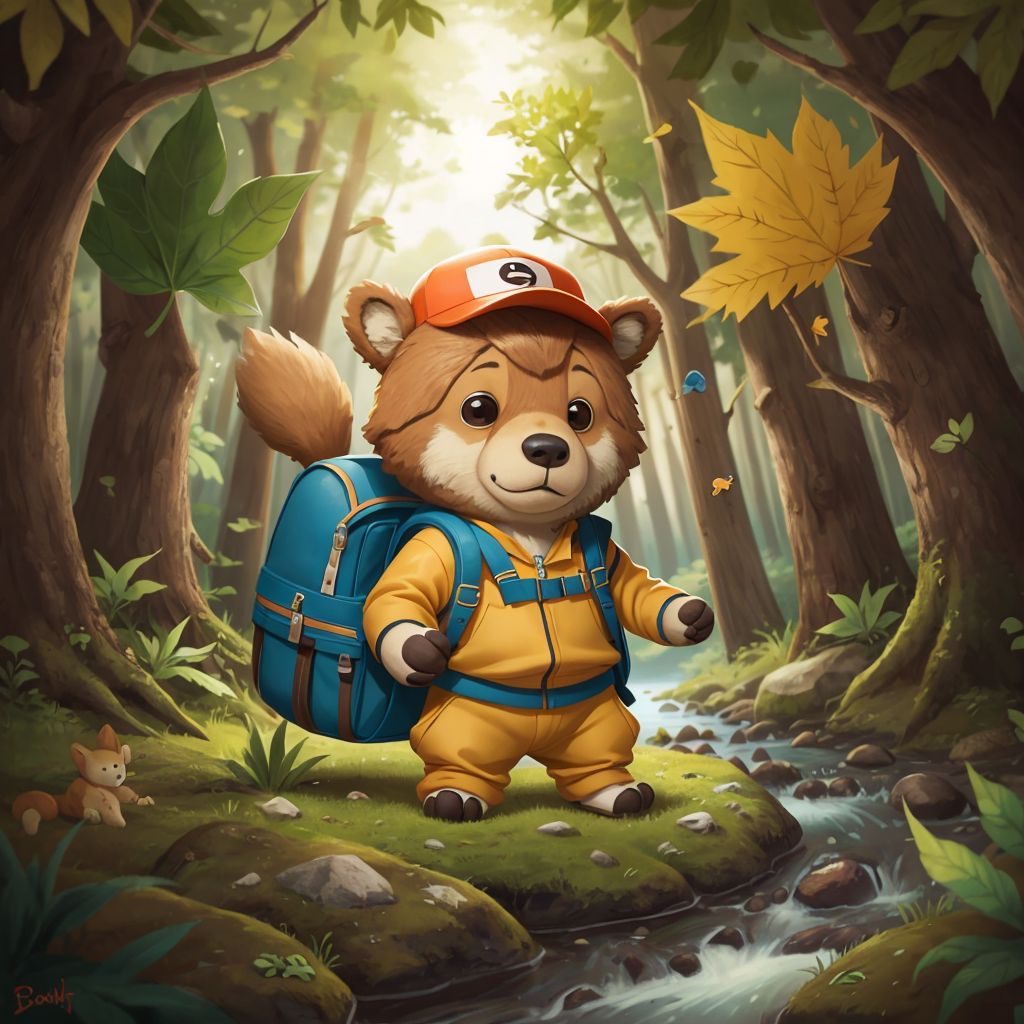
Joshua es un oso pardo curioso y aventurero que irá aprendiendo sobre distintas habilidades sociales en su viaje por el bosque
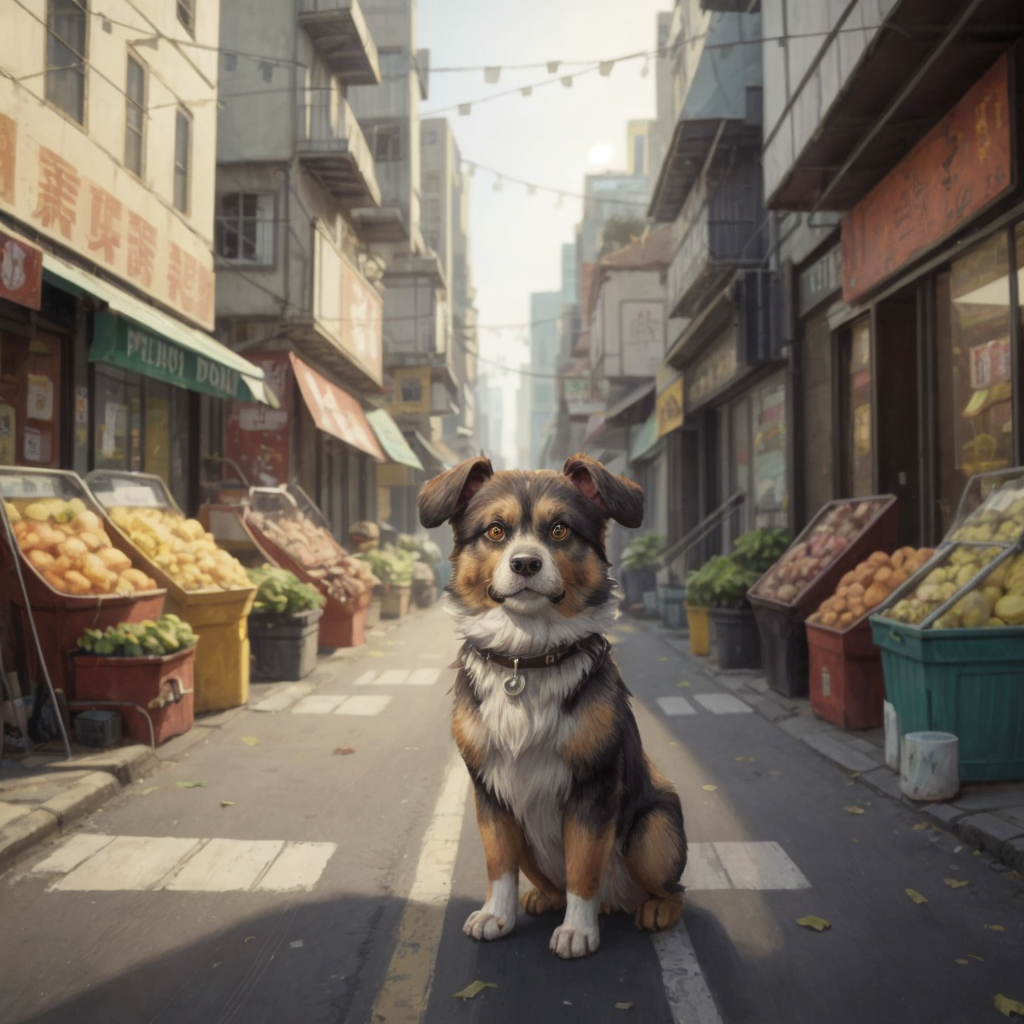
Şanslı sahibi ile yaşayan mutlu bir köpekti. Sahibi başka bir ülkeye taşınınca yapayalnız kaldı. Çok korkmuştu. Murat ise 10 yaşında bir çocuktu. Maalesef gözleri görmüyordu. Bu iki mutsuz can bir gün parkta karşılaşırlar ve sonsuza dek sürecek bir dostluk başlar.
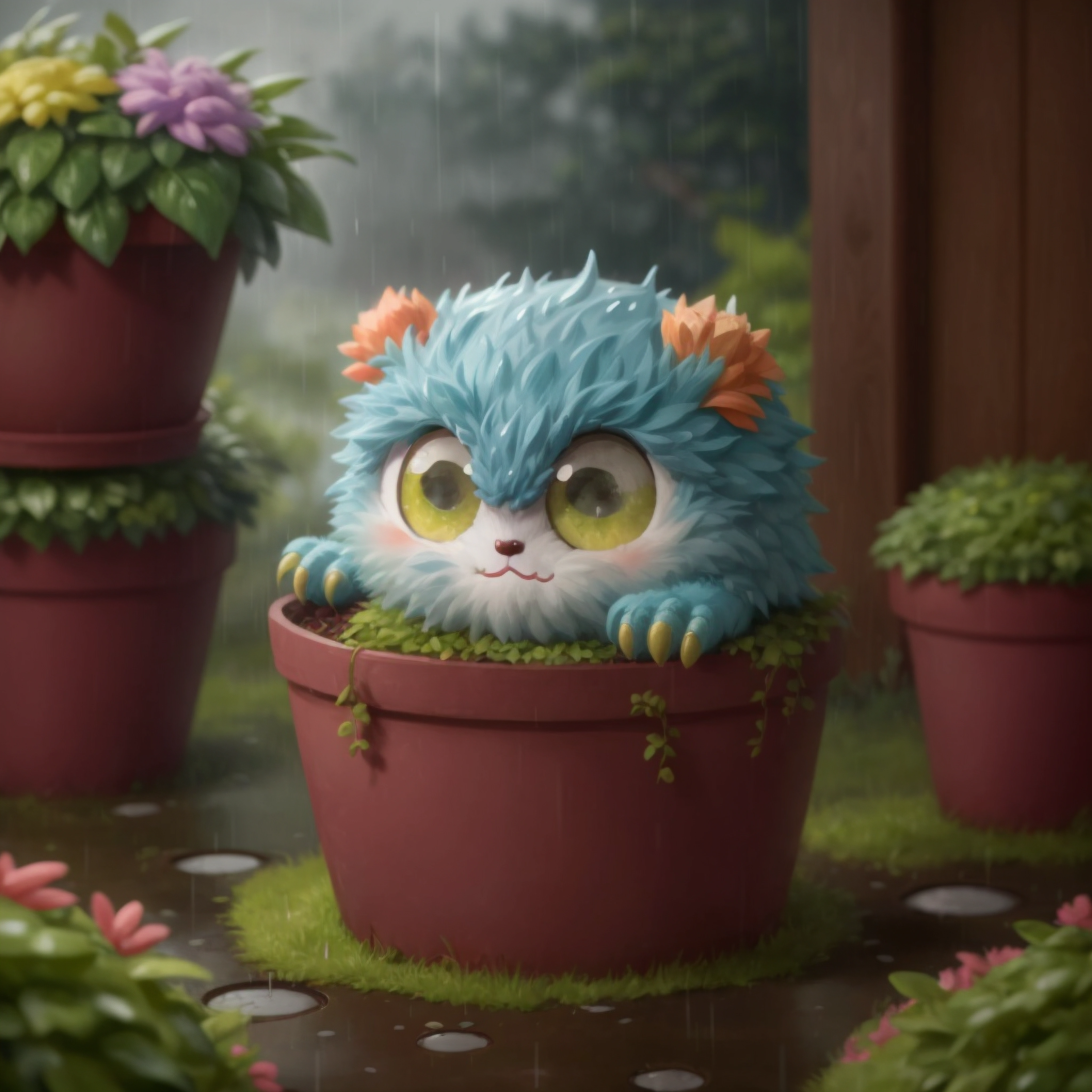
A cute monster plays in the rain and tries to stay out of trouble but is constantly in trouble
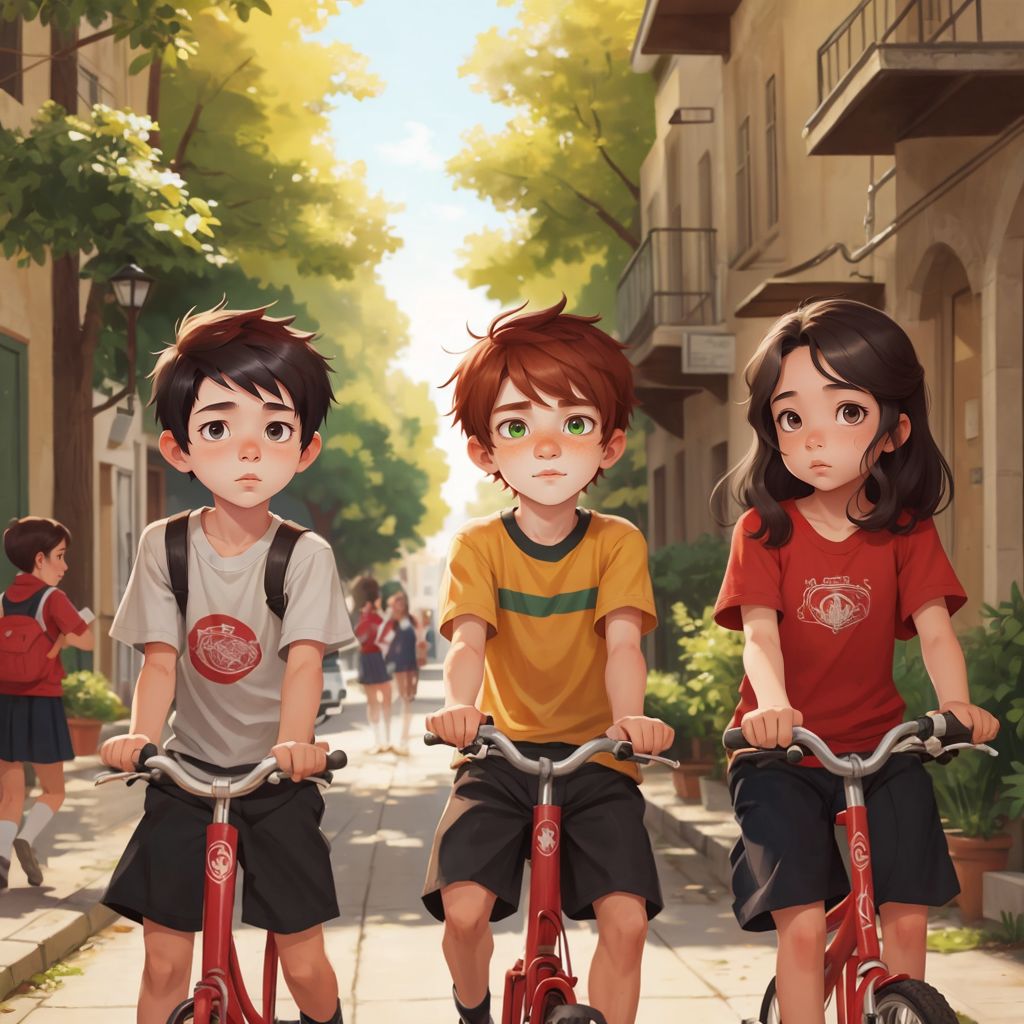
A boy is learning about feeling excitement and worry at the same time when having to face his fear of heights before he gets to go on an epic bike ride.
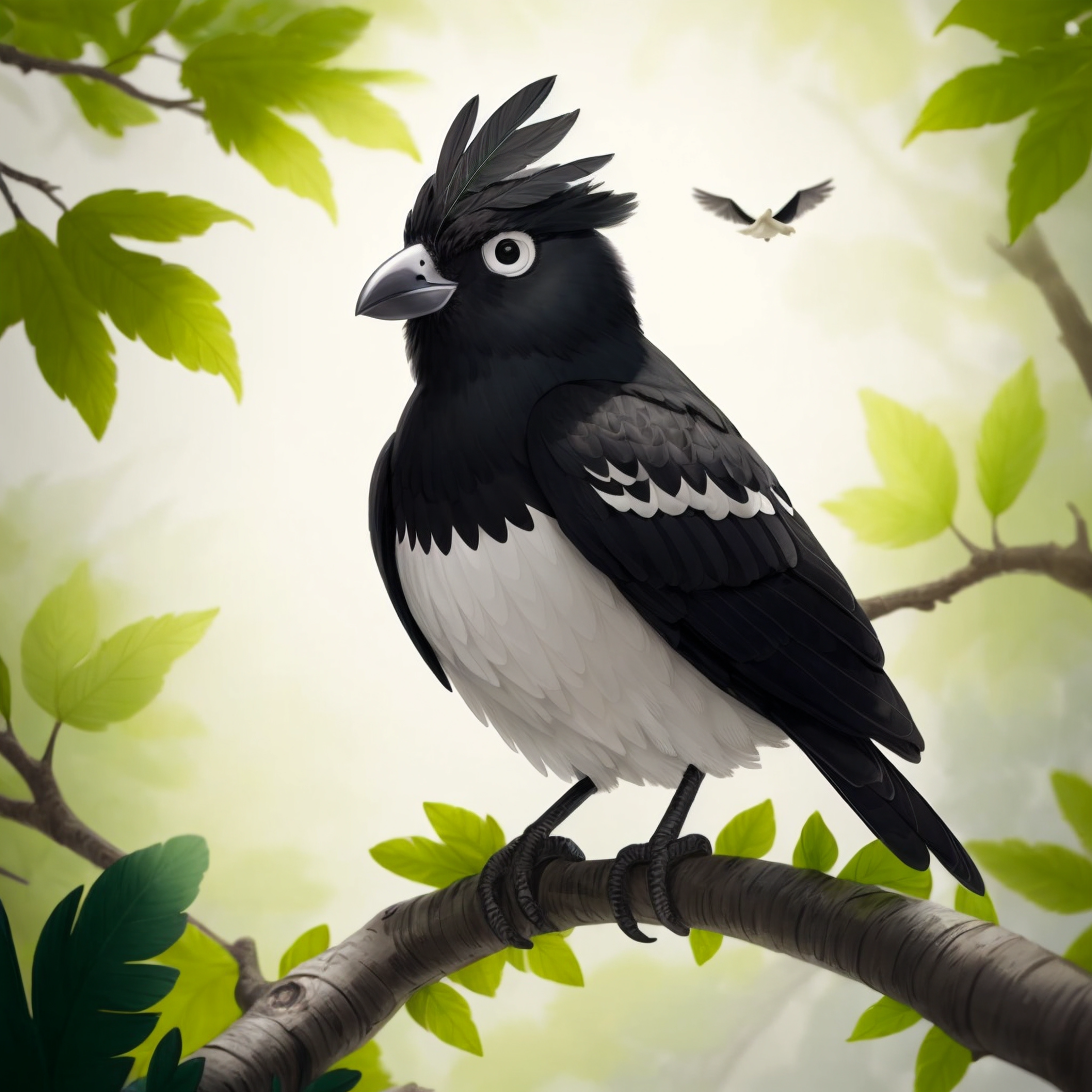
Once there was an owl and a little busy bee.Together they made a house in a big oak tree but it wasn't till their tiny lady bird there came to be a cozy perfect home made for just the three. They fluttered and flittered, a trio so sweet, Their little abode, a snug, leafy retreat. The ladybird, dainty in red and in black, Joined the duo, a trio on the woodland track. They danced with the stars, a nocturnal spree, In their cozy home, 'neath the old oak tree. The seasons would change, and stories unfold, enjoying their leafy haven, with each other to hold. Through sunshine and raindrops, in wind and in breeze, They'd sing and they'd laugh and have fun with ease. Family grew stronger, like roots in the ground, In that tree so grand, where love could be found. The owl hooted softly, the ladybird sighed, The bee buzzed a little lullaby. In the heart of the oak, in the shelter they wove, The trio found solace, in unity and love.
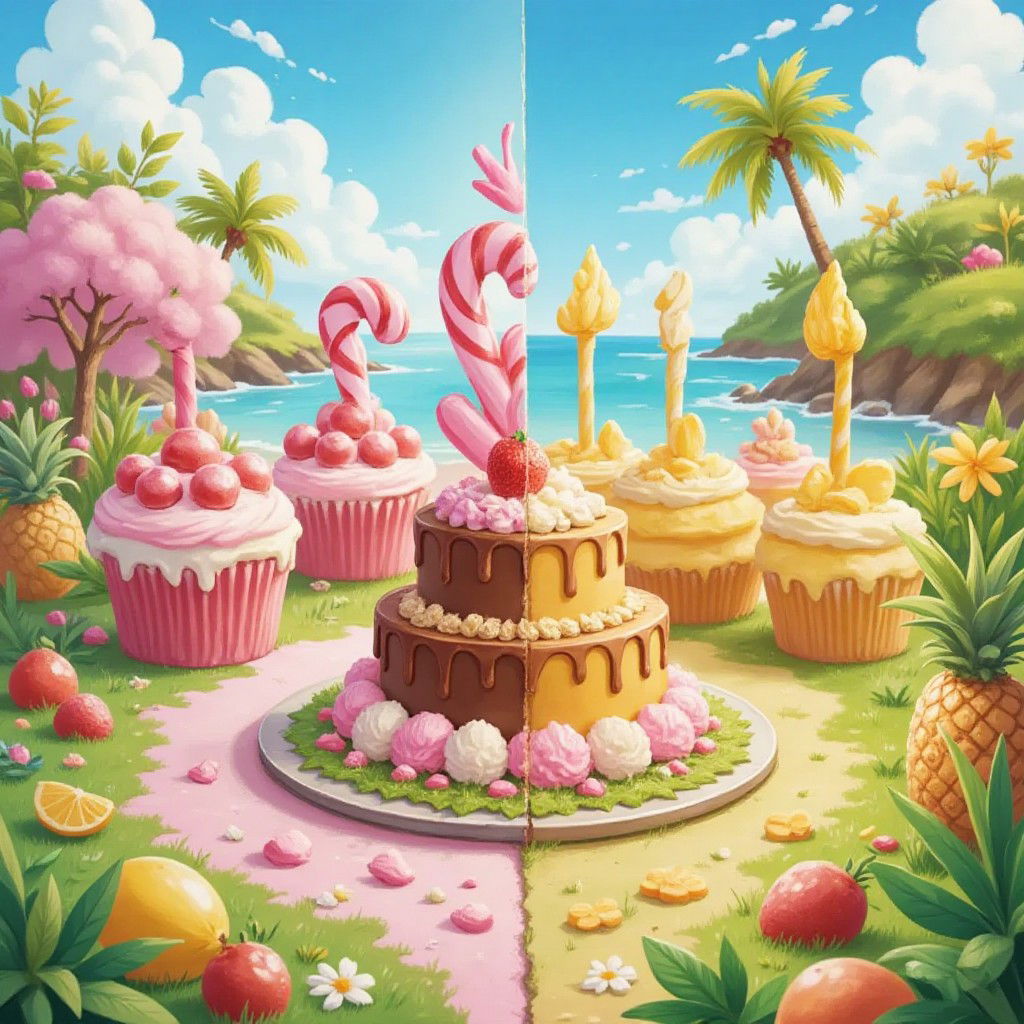
Characters: Candyland (a country of candy-makers) Fruityland (a land of fruit farmers) A wise owl named Professor Trade, who explains how trade works. Story: Page 1: Introduce Candyland and Fruityland. "Candyland loves making chocolates, lollipops, and jelly beans, but they don’t grow pineapples very well. Fruityland has the best pineapples but no time to make candy!" Page 2: Professor Trade explains the problem. "Candyland and Fruityland both want more yummy treats. 'How can we get what we want without wasting time?' they ask." Page 3: The idea of specialization. "Professor Trade says, 'Candyland should focus on what it does best—making candy! Fruityland should stick to growing fruit!'" Page 4: Explain comparative advantage. "Candyland is really good at making chocolate, and Fruityland is super fast at growing pineapples. If they trade, both can enjoy what the other does best!" Page 5: The result of trade. "Candyland trades a big box of chocolates for a basket of Fruityland’s pineapples. Now they each have chocolates and pineapples to share with everyone!" Page 6: The benefits of trade. "Thanks to trade, Candyland and Fruityland became great friends. Their people were happy, their businesses grew, and everyone had plenty to eat and enjoy." Conclusion: "The lesson from Candyland and Fruityland is simple: When we trade, we all get more of what we love. That’s why we trade!"

In the sunny village of Sandy Cove, a curious boy named Finn found a rusty key on the beach. His best friend, Lila, noticed strange markings on it. “It’s a map!” she said. Excited, they borrowed a rowboat and followed the map to a rocky island. Behind a waterfall, they found a glowing cave. Inside, a shimmering pool held a golden chest. But as they approached, a majestic sea dragon emerged. “Who seeks the treasure?” it asked. “We do,” Finn said bravely, showing the key. The dragon smiled. “The treasure isn’t gold—it’s the magic of friendship, courage, and curiosity.” It opened the chest, releasing a warm, glowing light that filled Finn and Lila with joy. The dragon gave them glowing seashells as reminders of their adventure. Rowing home under a sunset sky, Finn and Lila realized the greatest treasures are the ones we carry in our hearts. The End.
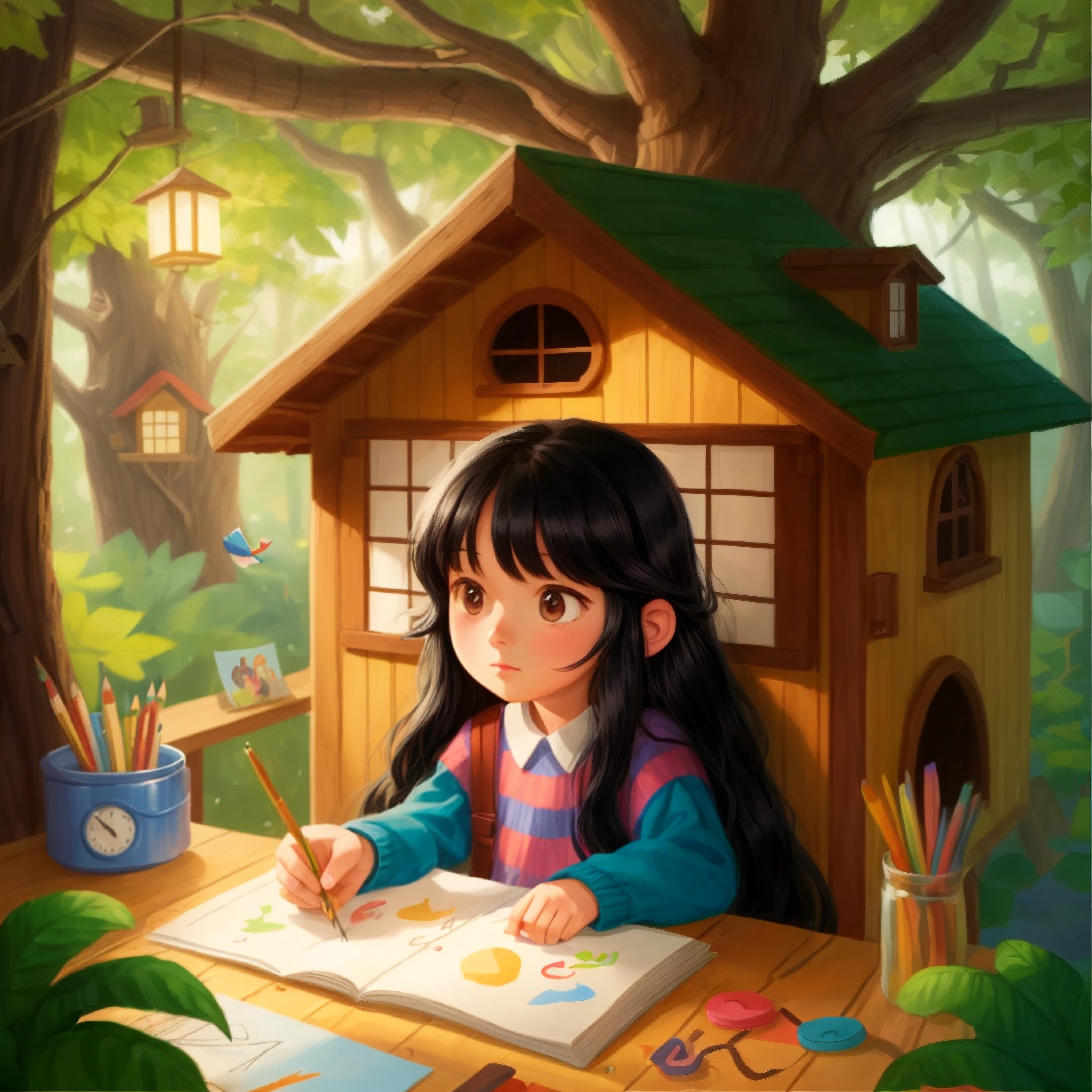
In a quaint town named Harmonyville, colorful characters like Lila the Loving Lamb, Oliver the Helpful Owl, Ella the Enthusiastic Elephant, and Tommy the Thoughtful Turtle lived harmoniously. Lila's hugs were like warm rays of sunshine, wrapping everyone in a blanket of love. Oliver's wisdom was a guiding light, helping friends navigate through challenges with thoughtful advice.