

 Start Read
 Recommend

1. Sydney and John were best friends who loved to explore. 2. One day, while walking near an empty field, they found an old watering can with the words "Plant kindness, watch it grow" written on it. Beside it lay a small packet of seeds labeled "The Seeds of Kindness." And because of her curiosity, Sydney said, “Let’s plant them and see what happens!” 3. They spent the afternoon digging small holes in the field and planted the seeds. They watered them carefully with the old watering can and went home, wondering what would grow. 4. The next morning, they rushed back to the field. To their amazement, the seeds had grown into tall, colorful flowers with heart shaped petals. 5. Each flower had a little tag that read a kind word like "Help," "Share," or "Smile." Each time they performed an act of kindness, the flowers in the field grew brighter and taller. 6. Soon, other children joined in, planting their own Seeds of Kindness. The once-empty field turned into a beautiful garden where everyone loved to gather, play, and help one another.

Harvey is introduced to new philosopher by Mr. Smith. His name is Friedrich Nietzsche and he was one of the most influential German classical scholar of the 18th century. Mr. Smith told Harvey that Nietzsche was the youngest person as chair of Classical Philology at the University of Basel in Switzerland in 1869, at the age of 24. Harvey was so impressed and amazed. Mr. Smith continues to explain Friedrich Nietzsche's main philosophical concept which is based on two figures in ancient Greek mythology Apollo and Dionysus. Mr. Smith also said that Nietzsche found in classical Athenian tragedy an art form that transcended the pessimism found in the so-called wisdom of Silenus. The Greek spectators, by looking into the abyss of human suffering depicted by characters on stage, passionately and joyously affirmed life, finding it worth living. The main theme in The Birth of Tragedy is that the fusion of Dionysian and Apollonian Kunsttriebe ("artistic impulses") forms dramatic arts or tragedies. He argued that this fusion has not been achieved since the ancient Greek tragedians. Apollo represents harmony, progress, clarity, logic and the principle of individuation, whereas Dionysus represents disorder, intoxication, emotion, ecstasy and unity (hence the omission of the principle of individuation). Nietzsche used these two forces because, for him, the world of mind and order on one side, and passion and chaos on the other, formed principles that were fundamental to the Greek culture: the Apollonian a dreaming state, full of illusions; and Dionysian a state of intoxication, representing the liberations of instinct and dissolution of boundaries. In this mould, a man appears as the satyr. Harvey felt so empowered and understood what Nietzsche meant; life is full of suffering and chaos and hard work and that's where we should find enjoyment and happiness by valuing what is most worth to us.
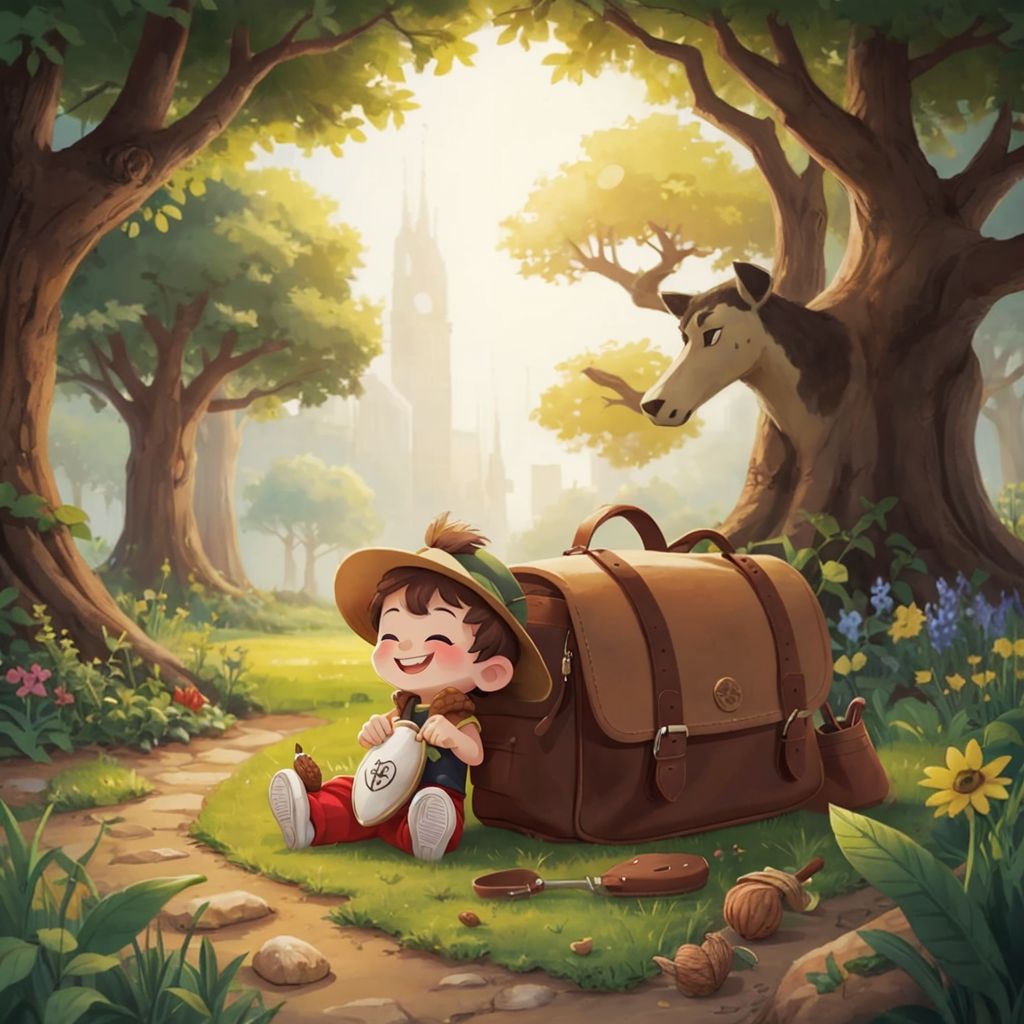
1.There was a little seed living inside a kind gardener's bag. She was afraid, but she dreamed of becoming a big tree.” 2.The gardener took the seed Place the seed in a small hole and cover it with soil. 3. The seed felt dark and cold, but it remembered the gardener's words and decided to try. 4.The rain came, and the sun shone. The seed began to push its roots into the ground. After a while, I emerged from the soil as a green seedling. 5.The seedling grew into a big, beautiful tree 6.She gave shade to children and fruits to birds
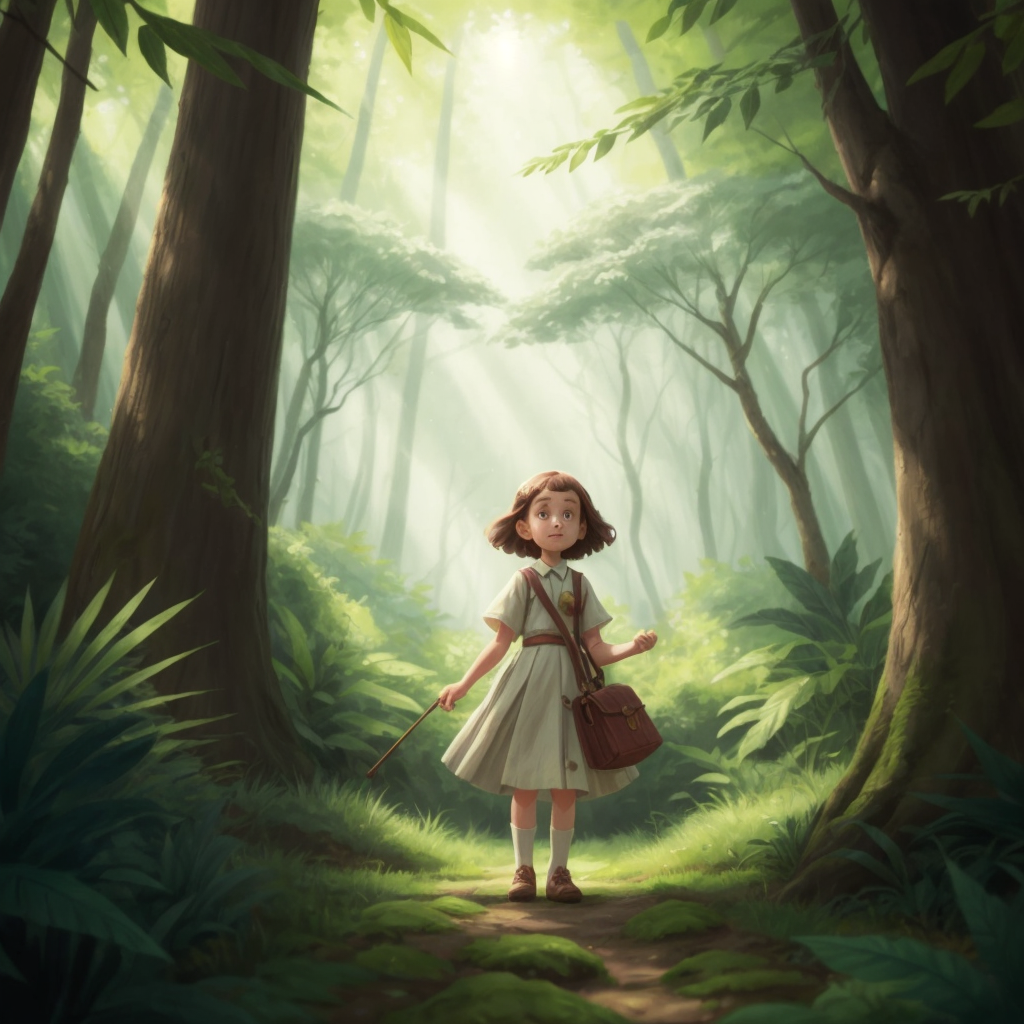
"Pearl, a Brave Girl" could serve as the title of a story or a character description. In this tale, Pearl could be portrayed as a young girl who displays courage, determination, and resilience in the face of challenges or adversity. Perhaps she embarks on a daring adventure, stands up for what is right despite opposition, or overcomes personal obstacles to achieve her goals. The narrative might explore Pearl's inner strength, the growth of her character, and the impact of her bravery on those around her. Through her actions and experiences, Pearl inspires others and learns valuable lessons about courage, compassion, and the power of belief in oneself.
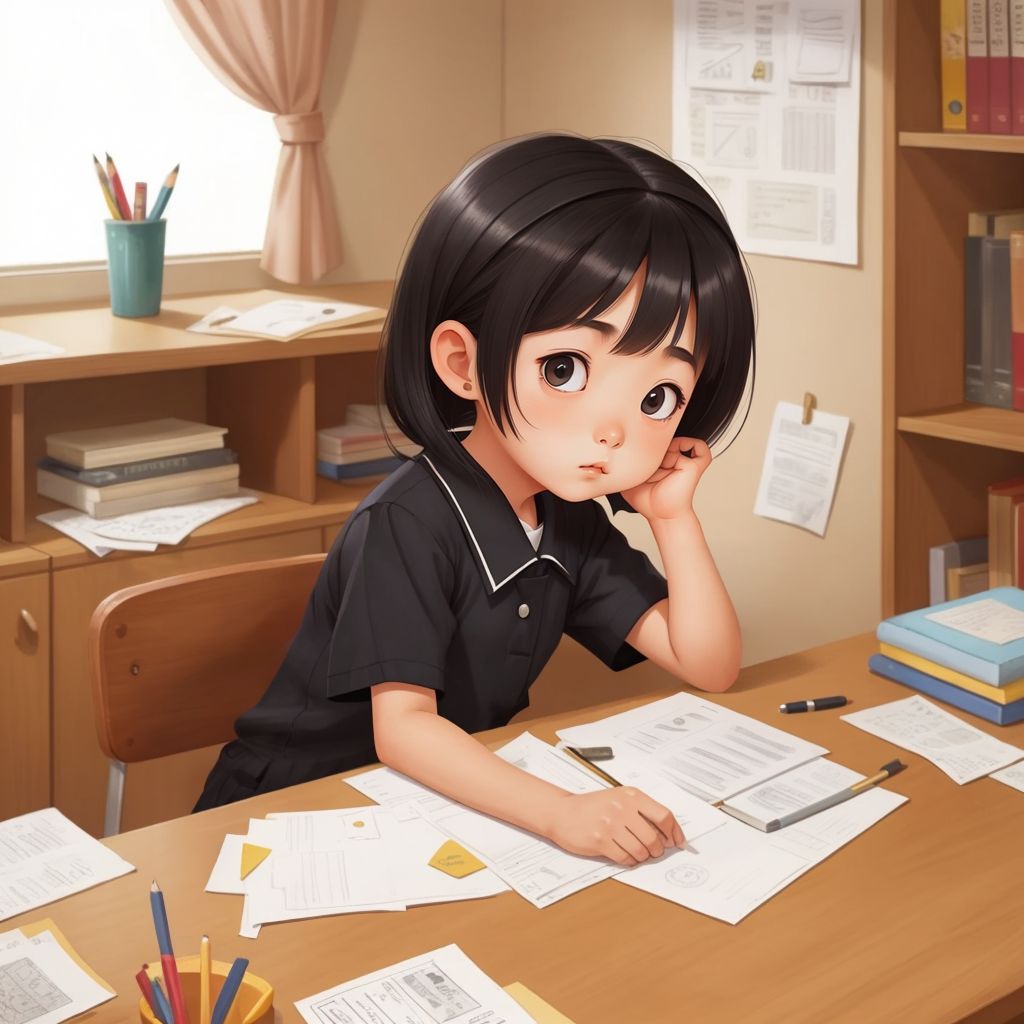
My ADHD brain (Drawing of a brain with swirls and question marks) My body loves to move. But sometimes, it wants to move too much. (Text in a box) I can't sit still because my brain can't slow down. (Text in a box) I get angry a lot! (Text in a box) Because my brain does not pause and reflect. (Text in a box) Let's add the next parts: But I have superpowers too. "I can think of many ideas at once." "I am creative and energetic." When I focus, I can do amazing things. "I can solve puzzles and come up with unique solutions." "I can hyperfocus on things I love and do them really well." I am learning to manage my ADHD. "I use tools and strategies to help me." "I take breaks and move around to help my body and brain." I am not alone. "Many people have ADHD and they are successful." "I can talk to my family, friends, and teachers for support." I am proud of who I am. "My ADHD is part of me and makes me unique." "I can achieve great things with my ADHD."
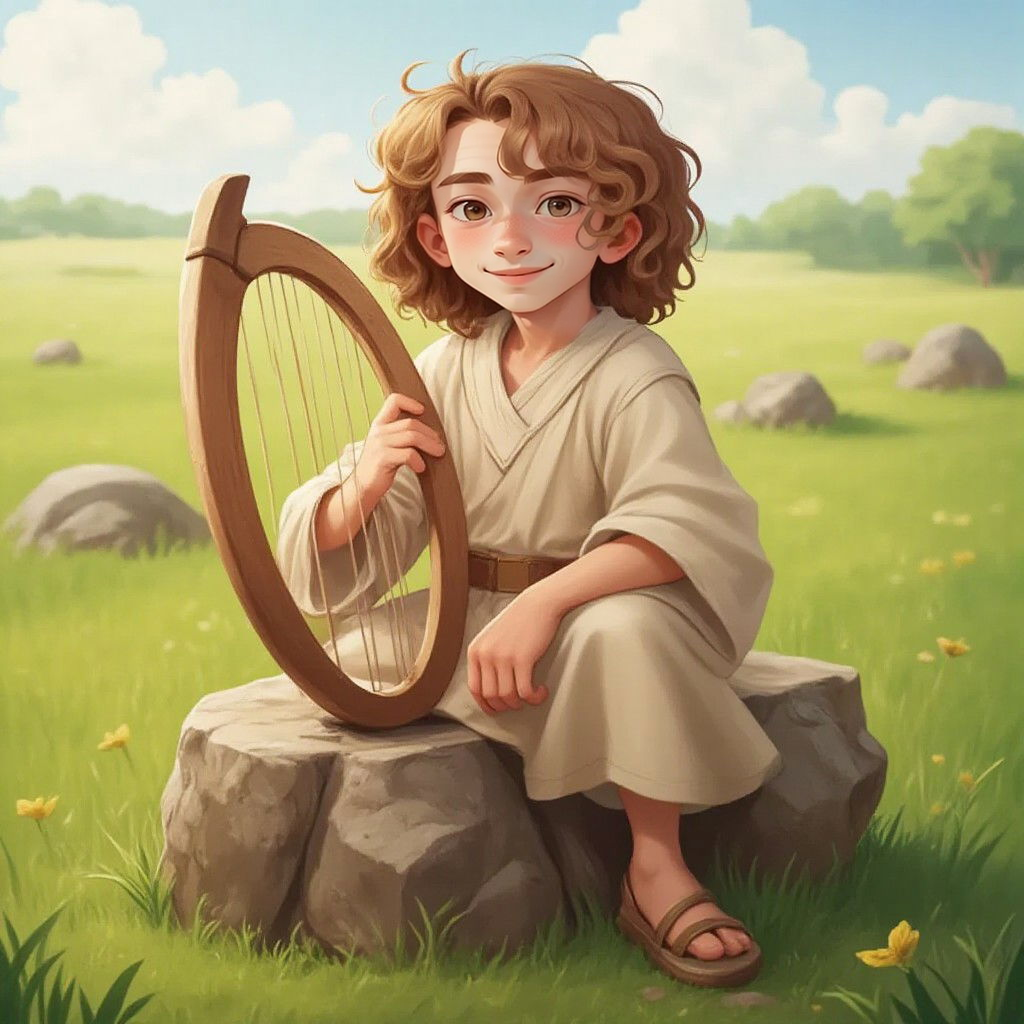
Shepherd David plays his harp in the field surrounded with sheep
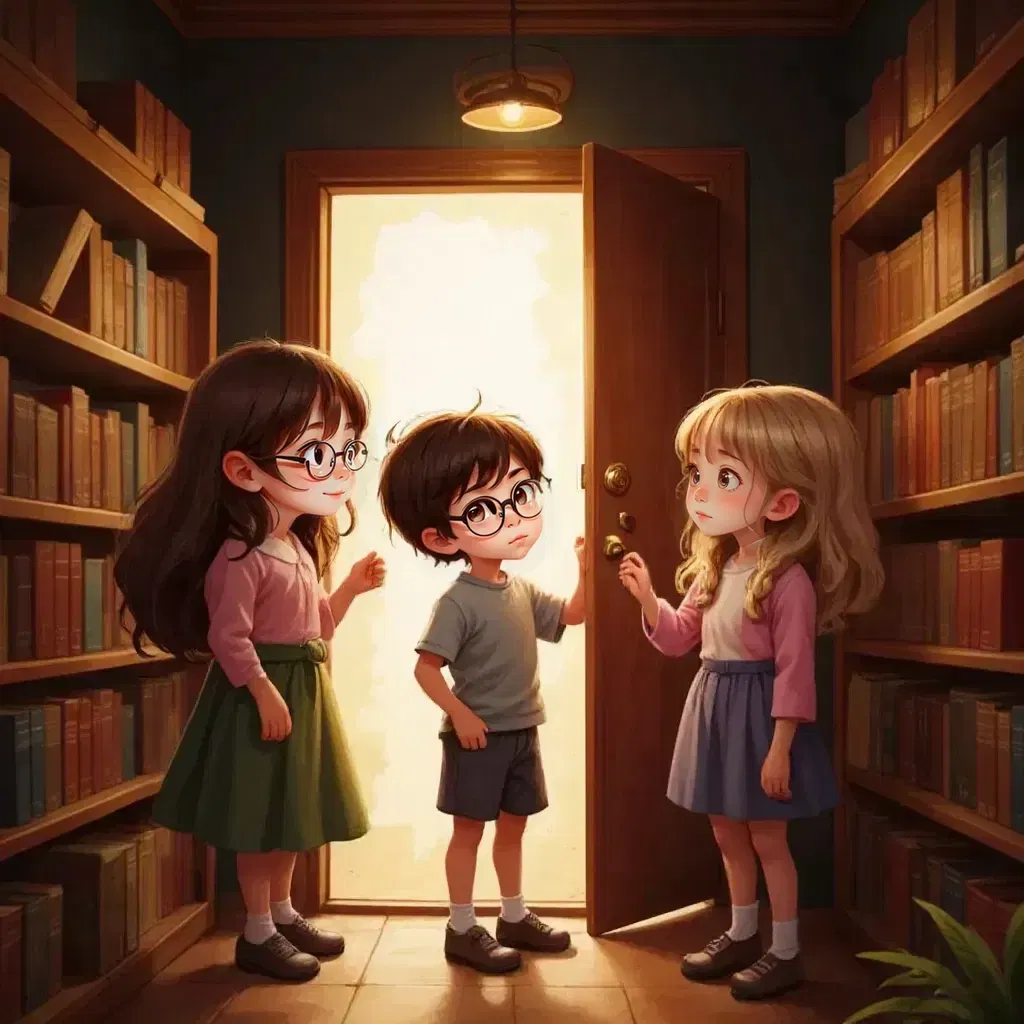
In Mr. C's 3rd-grade classroom, Daleyza, Leon, and Nevelyn discover a hidden portal behind the class library—a shimmering doorway that leads to a magical world called Taskoria. In Taskoria, everyone’s thoughts and actions create magical energy that keeps the world alive and beautiful. However, Taskoria is in danger because its energy is dwindling—many of its citizens have stopped contributing, distracted by laziness and negativity. Guided by Lumina, a glowing creature made of pure light, the trio learns that their attitudes and choices can shape this magical world. Daleyza’s infectious positivity, Leon’s quiet determination to say no to distractions, and Nevelyn’s courage to finish her tasks despite temptations inspire the citizens of Taskoria to reclaim their purpose. The children must face trials: a field of forgetfulness that tempts them to quit, a tricky jester who tries to distract them, and a cloud of doubt that dims their light. By staying true to themselves and working together, they restore Taskoria’s energy, learning that doing the right thing—even when others don’t—is the most magical act of all. When they return to Mr. C’s classroom, they realize that the lessons they’ve learned are just as powerful in the real world. And as they share their story, they inspire their classmates to work hard, stay positive, and make good choices, turning the classroom into a place of everyday magic.

Girl goes to school for the first time and tries to make friends
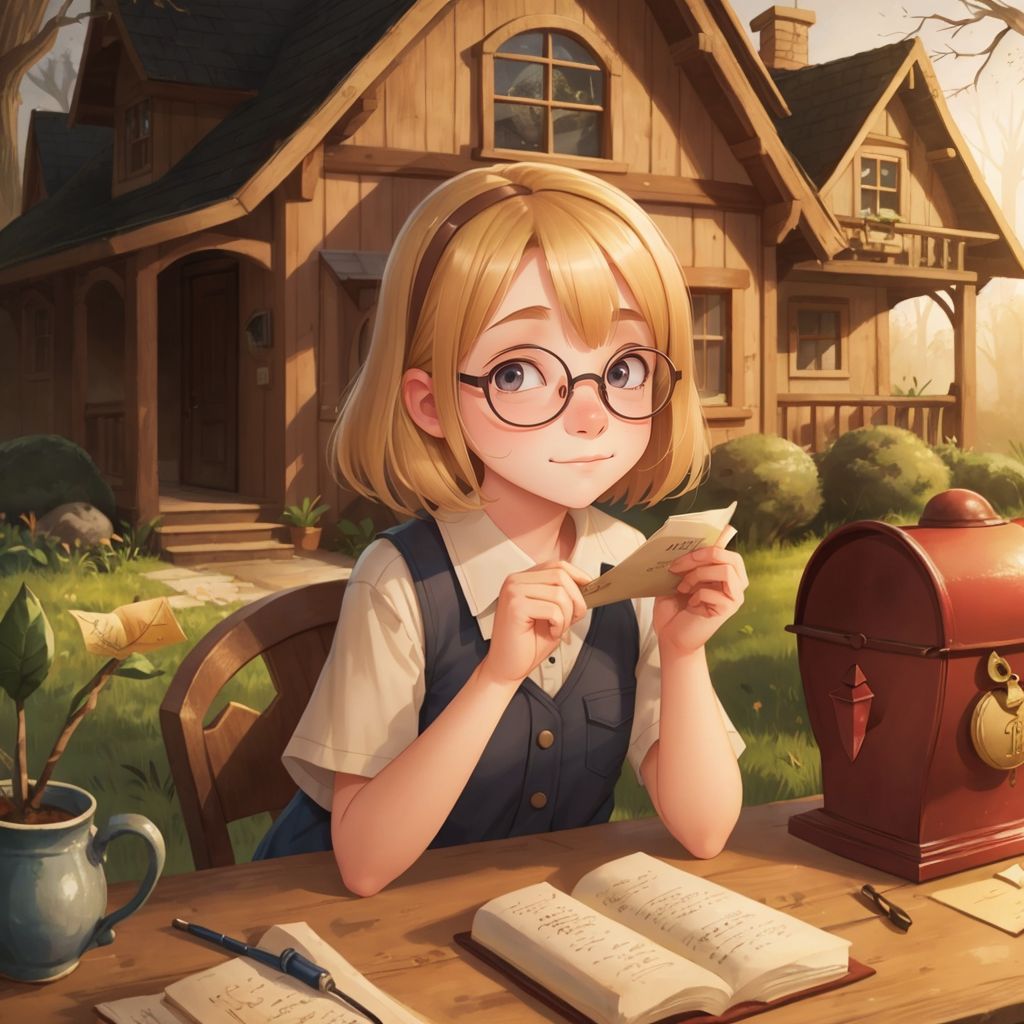
A mystery of a girl and a ghost in a haunted house.

Nicholas is the son of parents who live to serve others. He grows up in 3rd century Greece developing a love for the ocean and fishing. During a trip to deliver food to a needy family, his parents die when their horse and carriage wrecks in bad weather. Once Nicholas becomes 19, God directs him to become a monk. He packs his bags and heads off on a boat to another town. On the boat trip, the weather becomes bad and a crewman falls overboard. Nickolas miraculously rescues him from drowning, earning him the name SAINT NICKOLAS from the other shipmates. He joins the monastery but soon is called back to his hometown of Myra. Once home, he discovers his parents have left him a very large inheritance and he chooses to give all the money to other in need. He secretly puts food and money in peoples homes in need. And in every present he leaves a note signed "Dinei O Theos" meaning "its better to give to others than to receive"

magical land called Sugarland, there lived a group of colorful unicorns. These weren't just any unicorns; they were the Cupcake Unicorns! Each one had a shimmering mane of pastel colors and a sparkling horn that glimmered like sugar crystals.

tilda the wild wolf pup Tilda was a very cute and smart wolf and papa wolf was wise and one day a pack called The destroyers wolfnapped Tilda
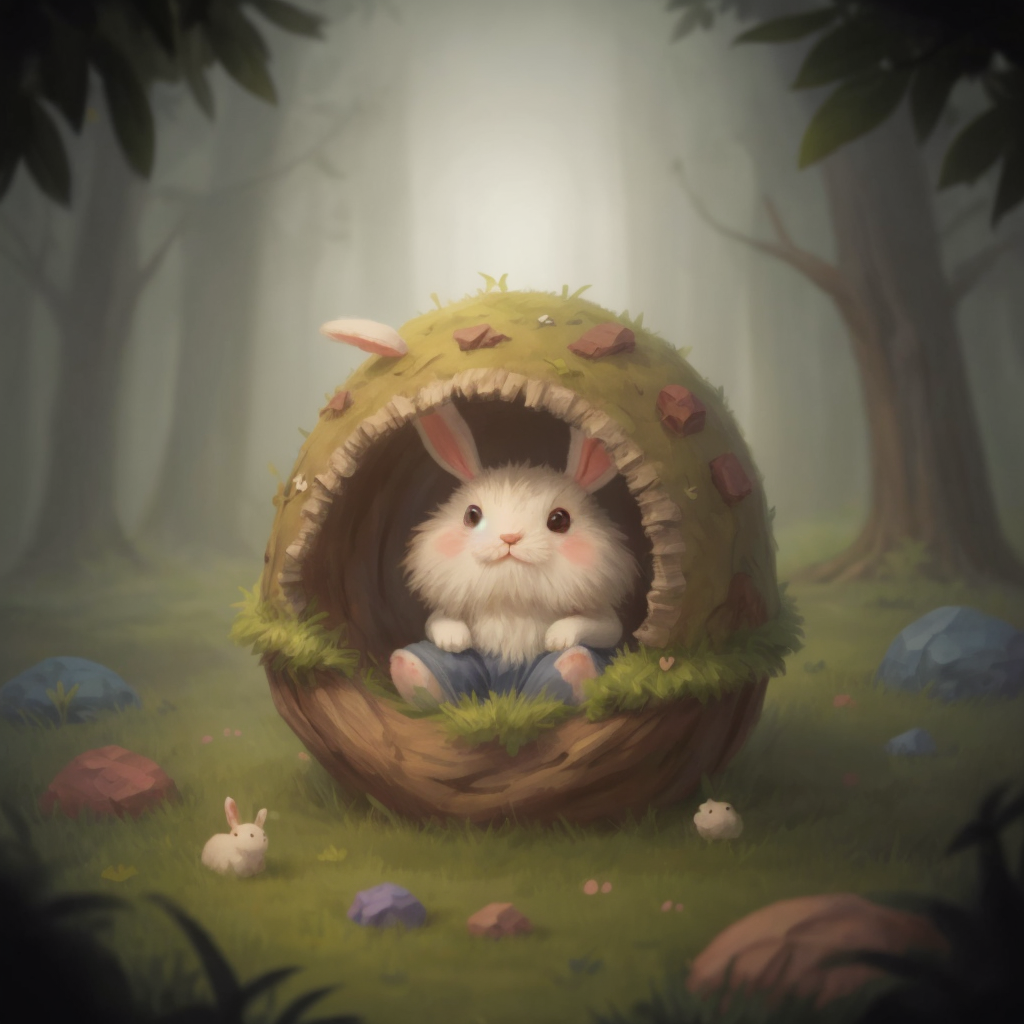
"Sunshine Days: A Guide for Little Hearts When Sad" teaches young children the importance of expressing their feelings and seeking comfort from trusted individuals. Through Benny's journey, children learn that it's okay to feel sad sometimes and that there are ways to cope and find happiness again.
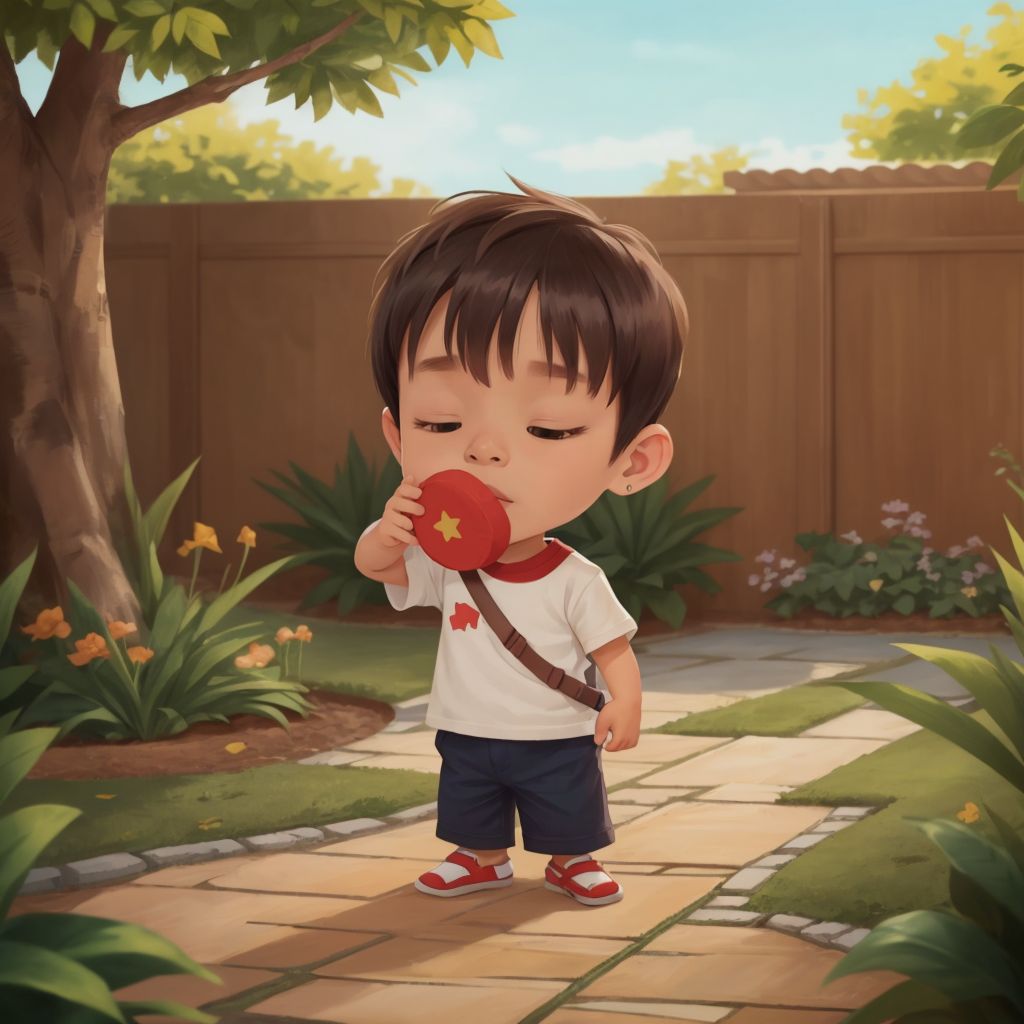
Mathew and Geoffery play hid and seek. They are brothers and best friend

Tucker is a strong willed child, He does not like to listen to his parents. Every night, Tucker’s dad asks him to do three simple things. “Tucker, pee pee poo poo, brush your teeth and go to bed.” Tucker obeys his dad but not completely. Sometimes, Tucker simply brushes his teeth, but does not pee pee poo poo or go to bed. Sometimes, Tucker simply pee pee poo poos but does not brush his teeth or go to bed. Sometimes, Tucker simply goes to bed, but does not brush his teeth or pee pee poo poo. However, when Tucker is a good boy, he does all three. When he obeys his dad, He has clean and sparkly teeth, He does not wake up in the middle of the night to go pee pee poo poo, And he feels very happy and awake the next day. Tucker may not know, but his dad has Tucker’s best interest in mind when he asks Tucker to pee pee poo poo, brush his teeth and go to bed. When Tucker listens, Tucker benefits from the wisdom of his father.

There was an old Chinese farmer Ken who was kind, honest, and hardworking. His vineyard had a successful harvest every year due to his diligence. However, he faced a major problem - his three sons ,Alex, Ben and Cliff were very lazy. Realizing that his health was declining and his days were numbered, the farmer summoned his sons and revealed a secret: he had buried treasures in the vineyard, and upon his death, they could search for them. After the farmer passed away, the three sons, driven by the desire for wealth, went to the vineyard to dig for the treasures. Despite meticulously clearing weeds, stones, and even turning over the soil, the sons failed to find any treasure. They repeatedly searched the vineyard, growing suspicious and questioning whether their father had lied to them. In the end, the sons discovered that their father had indeed buried a mysterious treasure in the vineyard, leading them to newfound wealth.

The Madrigal family had fallen into a routine that left each member isolated in their own digital world, with Mama Erin bearing the brunt of household chores. Frustrated by her family's lack of engagement, Mama Erin declared the living room a Gadget-Free Zone, where no gadgets were allowed and family interactions were encouraged. This change initially met with resistance but soon led to a profound transformation. Without the distractions of screens, the living room became a place of connection and warmth. Papa Fidel, Nico, and Alex rediscovered the joys of talking, playing games, and reading together. They also enjoyed nature walks and shared meals, strengthening their family bonds. This new tradition brought the Madrigal family closer, turning their home into a sanctuary of genuine interaction and joy.
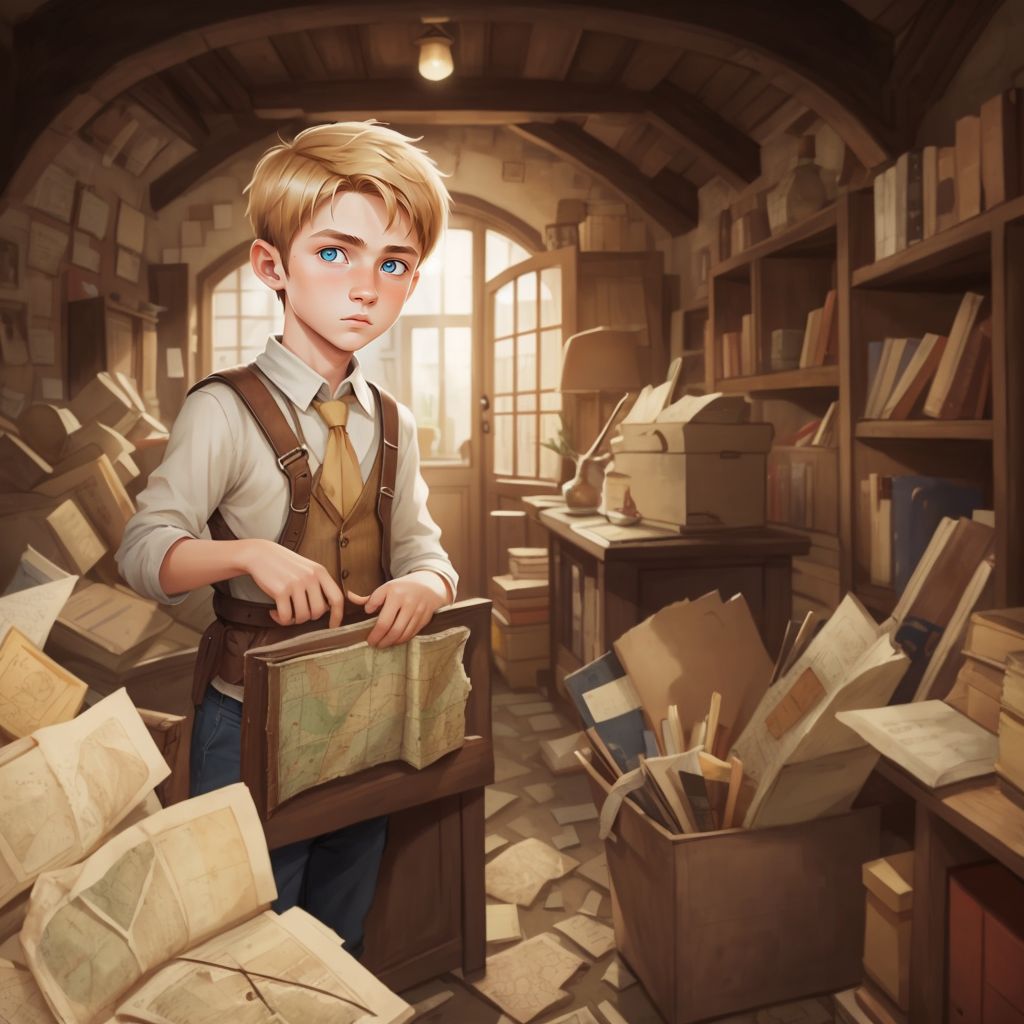
1.Boy discovers an old map hinting at a hidden treasure in Whispering Hollow. 2.He prepares for the journey with his best friends, gathering supplies and studying the map. 3.They venture through forests and mountains, finally reaching the cave and uncovering historical artifacts instead of gold. 4.The village celebrates their discovery, and the children become local legends, inspiring future adventures.

Timmy goes on an adventure in west virginia to find the glorious moonflower

In a traditional village in Kelantan, lives a young man named Izzat. Izzat grew up in a family that likes to inherit the traditional art and culture of Kelantan. When his late grandfather, Tok Wan who was a great kite maker died, Izzat felt all wrong and determined to continue the legacy left by his grandfather.