

 Start Read
 Recommend
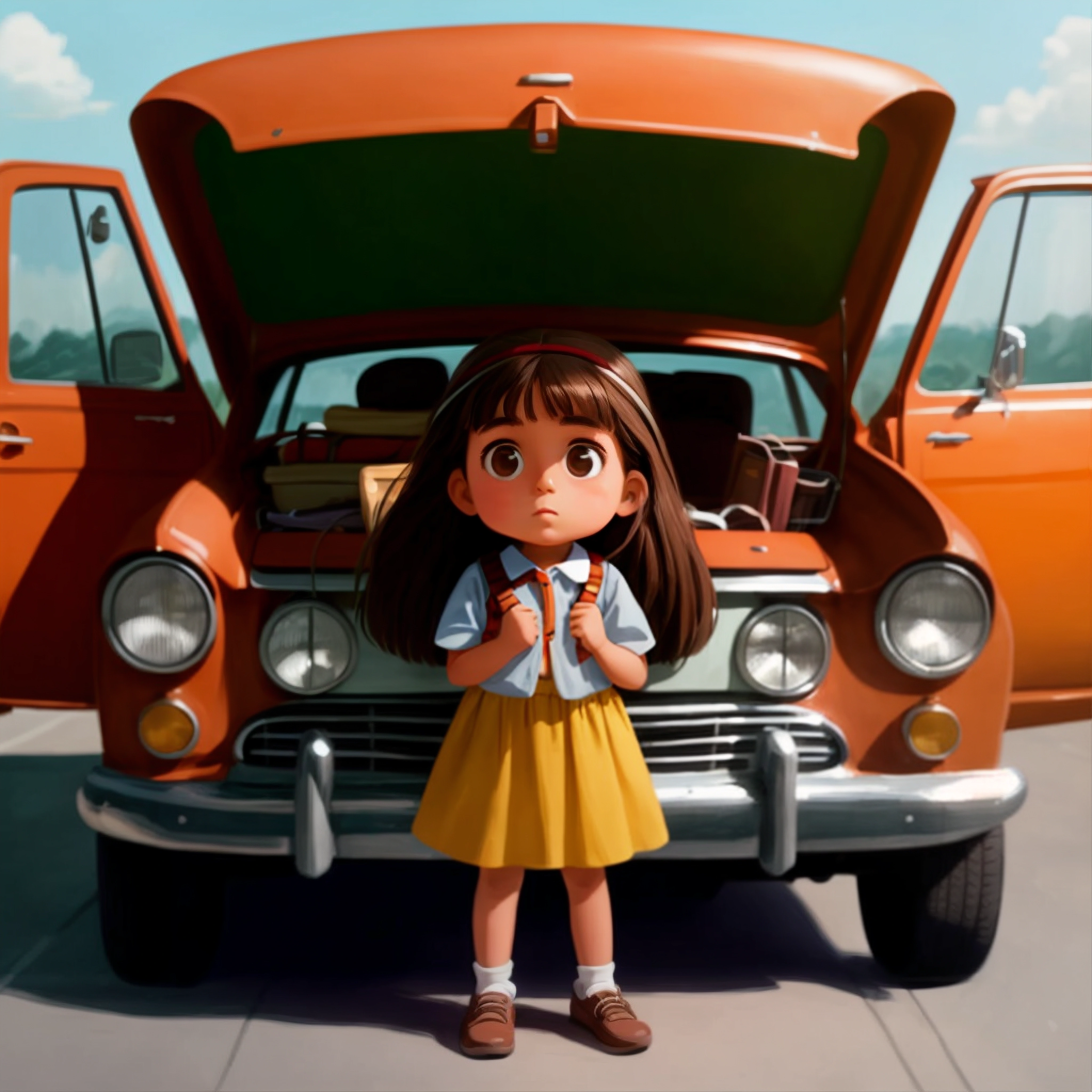
Lara va por primera ves a la ciudad de Toronto con sus padres y su amiga Lucia. Su primera aventura, sera conocer la torre mas alta de America
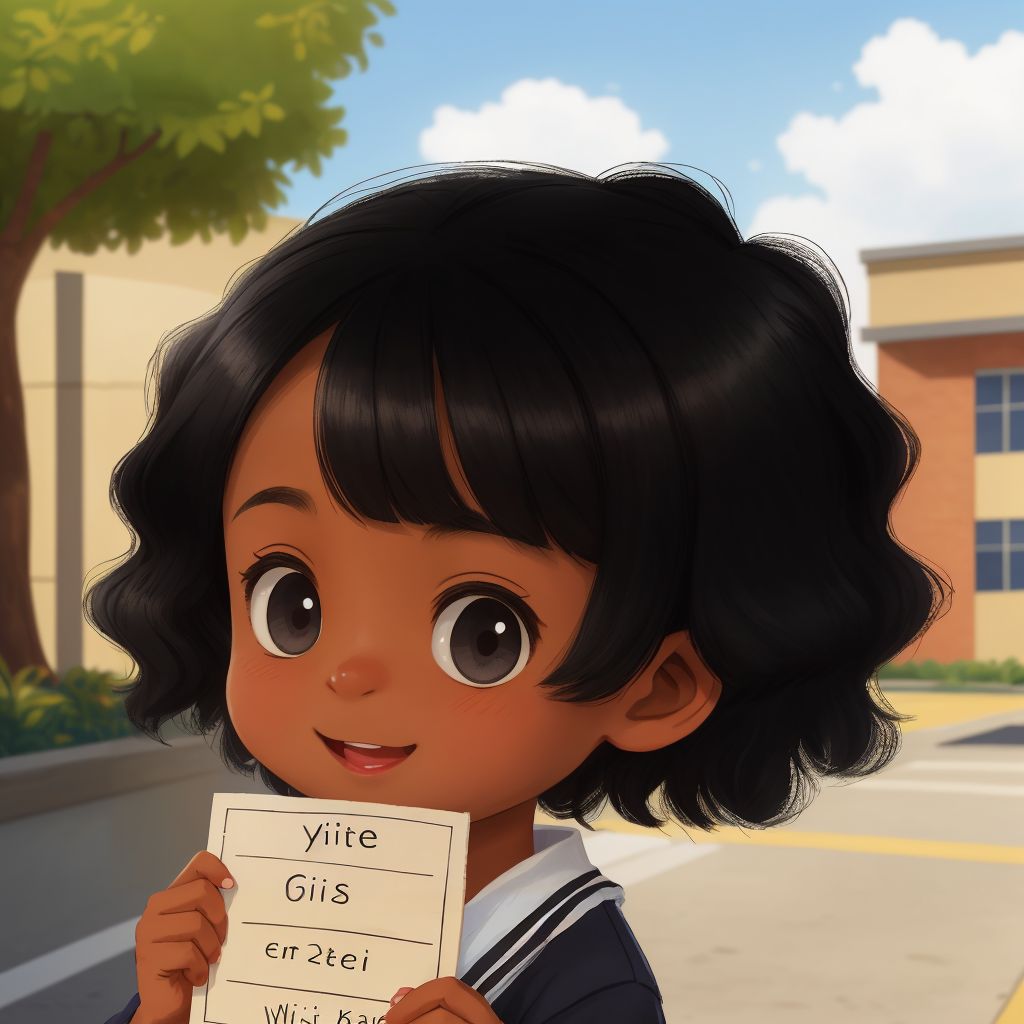
Our comic book-style story is about, what a superhero's field day at school would be like. Games and challenges using their unique and different superpowers. To see who will come out on top as the schools champion
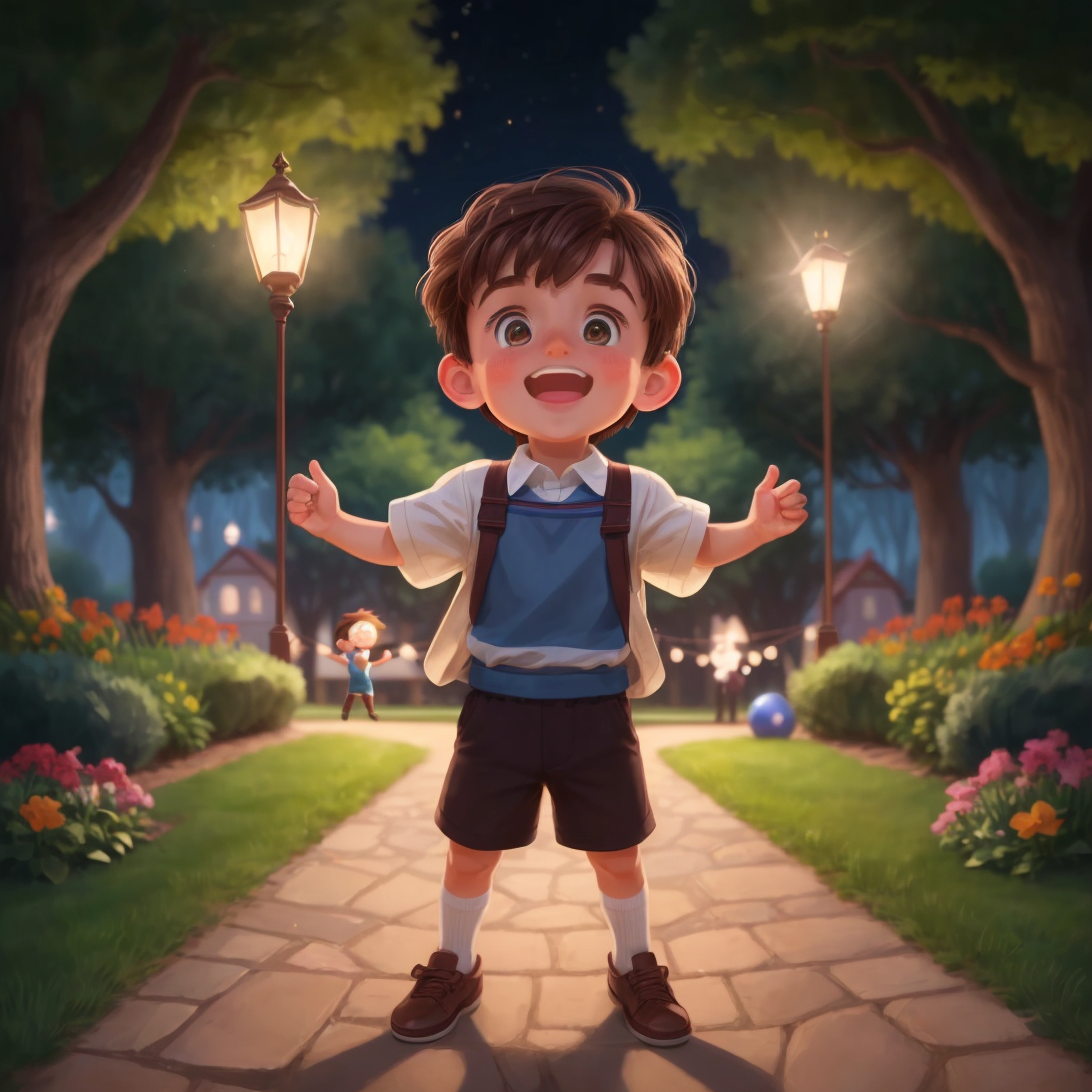
a young boy, Tanner, and his friends 1. Eco's bright blue fur with yellow and blue spots glow and his curious eyes twinkle mischievously. Eco's left arm hosts another friend 2. Journey Judy. 2, a stunning girl, dressed in safari attire, adorned with travel badges all over her shirt. she is a hologram. Friend 3 Zaino is a magical backpack. Zaino has big eyes and a big smiley mouth, tanner and his friends visited zennor and is pat of the mermaid of zennor's story
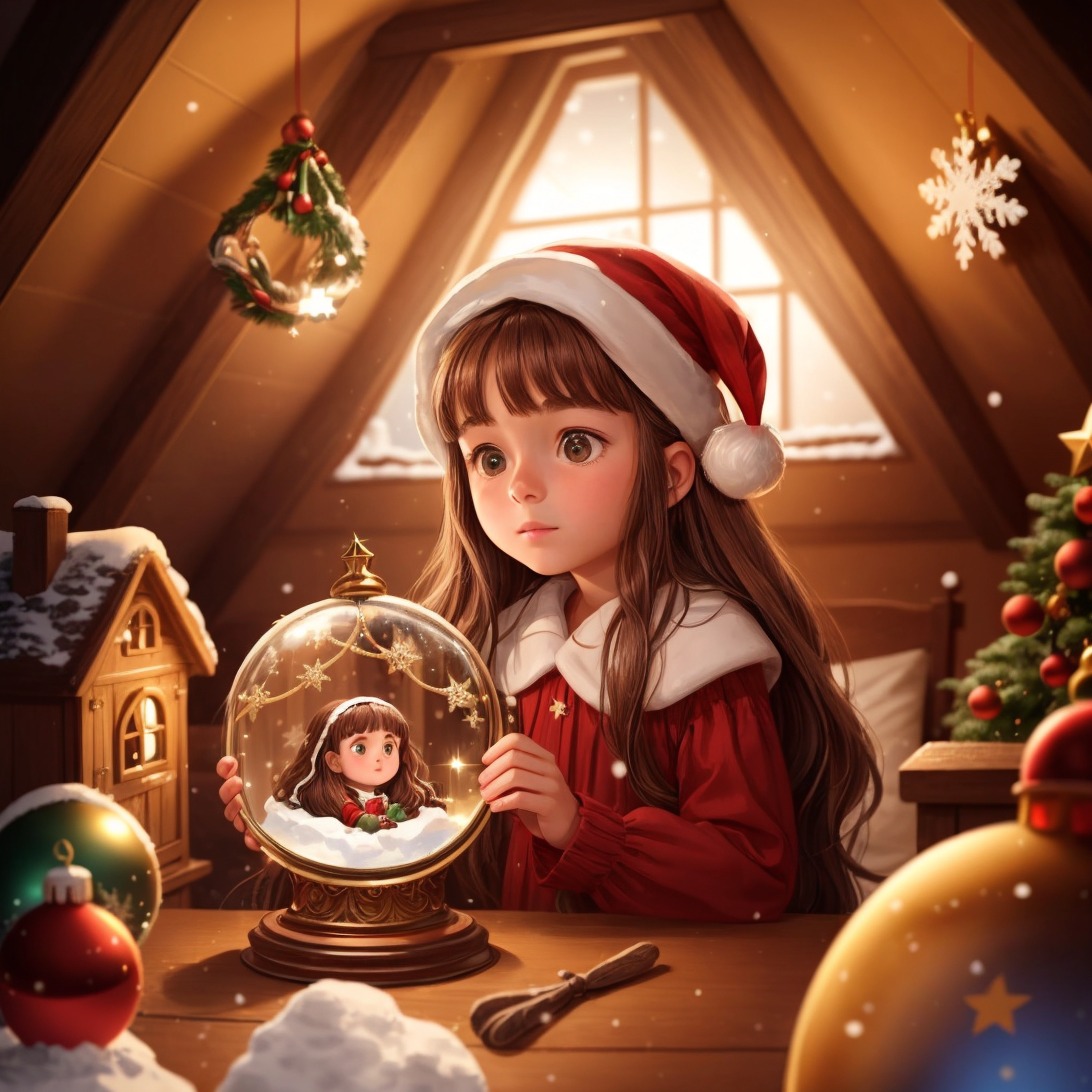
It is a Christmas adventure where Riley and her dog Cinderella, know as Ella, come across a snow globe that transports them to Santa's workshop where they try to be elves and it goes all wrong, and eventually Santas delivers them back home in time for Christmas Eve
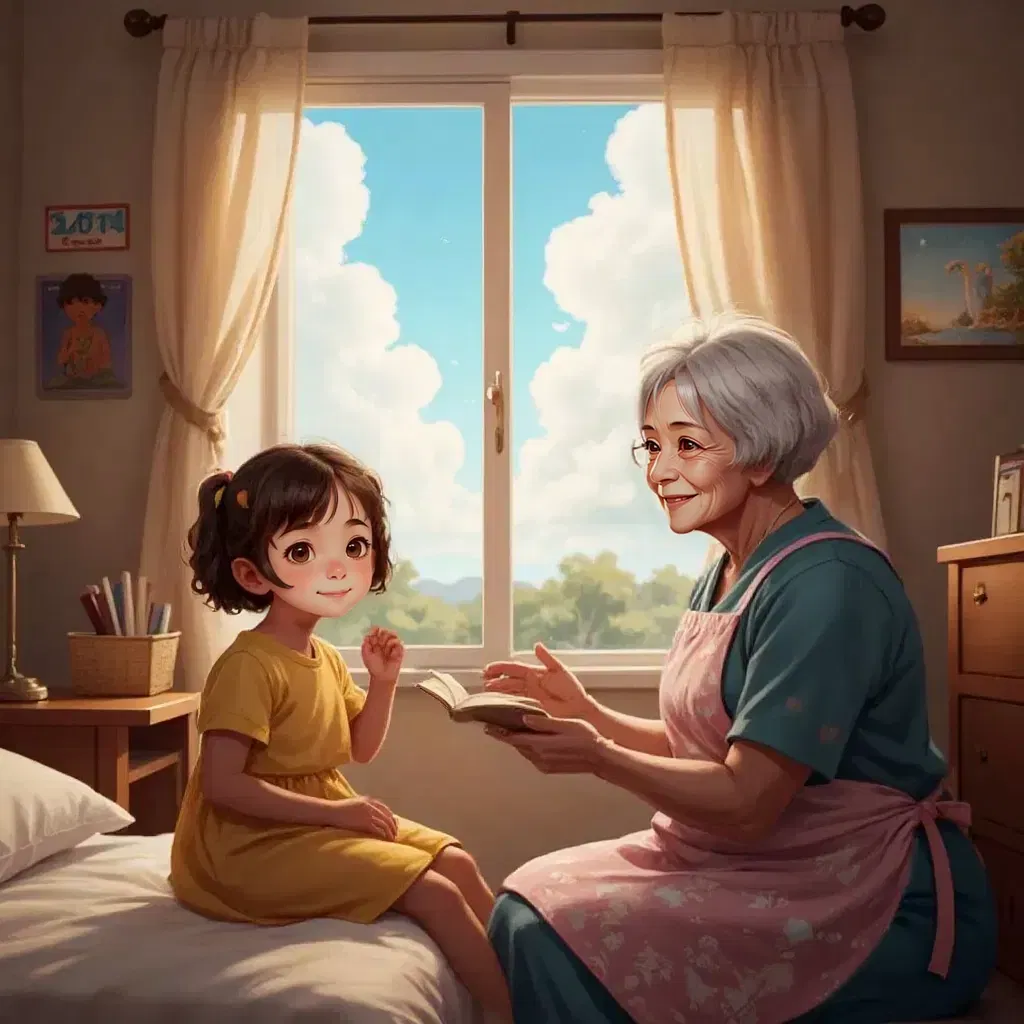
1. O Sonho de Voar 2. A Visita do Pássaro Azul 3. A Cidade dos Ventos 4. O Mestre das Asas 5. O Primeiro Voo 6. O Céu Não Tem Limites

Girl is on skiiing holiday with parents. She enters a dance contest in the local village. She meets Jochem the local chef. THey fall in love.

This is a story about a group of brave lawyers who decided to become the powerful legal team at PayU. Their leader Paul is smart and kind and has pet chickens at home. On the global team he has his sidekicks Dilsen and Hajar. The spicy Latin American team is lead by the adventurous Adriana and she relies on her team Gabriela, Julio and Rodrigo to make sure that payments are made safe and secure in Latin America. In Poland where it is very cold there are many PayU employees. One of them is Marcin who works with his friends to make sure that the payment stays on course when the lakes freeze over. Claudia is the brave woman leading the charge in Romania where it is also very cold. In Turkey Erdem, Erdost, Ergun and Irem work at Iyzico with the PayU team. Hsin is another brave young lady who works at Red Dot along with her other friends at PayU. Esti is the vibrant lawyer who makes sure that Africa is not a continent that is forgotten. She works with her team members to make sure that she holds the PayU name in high regard. Together they all make a strong team. Whatever the future holds they know that if they have each other they can withstand anything that the future holds. Even though they are far apart they come together to make a great legal eagle PayU team.
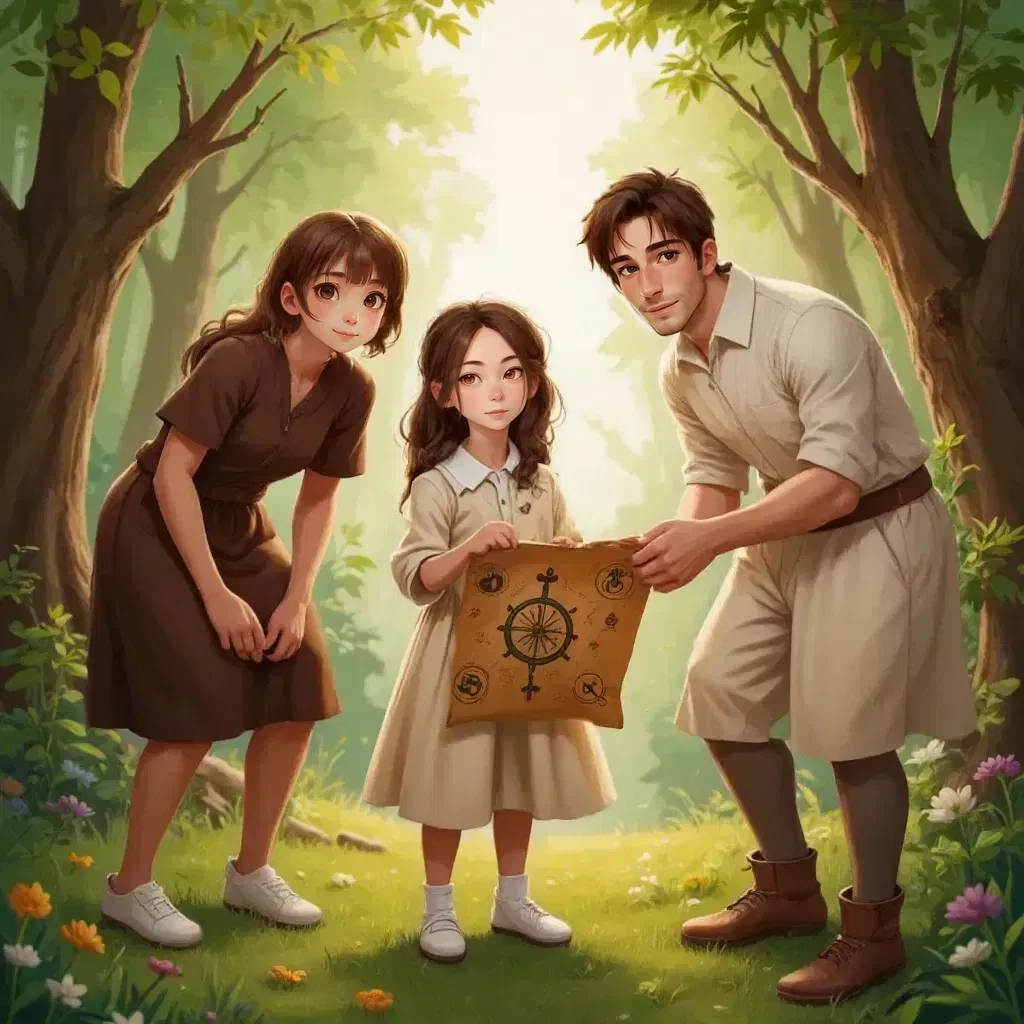
One sunny morning, Lina and her parents decided to explore the forest near their campsite. As they wandered deeper into the woods, Lina spotted a shiny object under a rock. It was an old map with strange symbols and clues. Excited, Lina showed it to her parents. "This could lead to the hidden waterfall!" she said eagerly. Her father nodded. "Let’s see where it takes us," he said with a smile. Following the map, they reached a tall tree with glowing leaves. Carved into its trunk was a riddle: "What has roots but never grows? What moves but has no legs?" Lina thought for a moment and exclaimed, "A river!" Instantly, the tree shimmered, and a hidden path appeared through the bushes. The path led them to a wide, rushing river. The stones were slippery, and crossing seemed dangerous. Lina's father used branches to help steady their steps, and together they made it to the other side. There, they found a new clue: "Show kindness to the smallest, and the path will open." Deeper in the forest, they encountered a hungry squirrel searching for food. Lina took out her last piece of bread and gave it to the squirrel. Suddenly, the ground trembled, and the bushes parted, revealing a breathtaking waterfall glowing with golden light. Standing before the magical waterfall, Lina made a wish to always have adventures with her family. The waterfall sparkled as if answering her wish. A deer with shimmering antlers appeared and spoke, "Your kindness has restored the magic of the forest. Take this as a token of gratitude." The deer handed Lina a glowing stone before disappearing into the mist. As they walked back to their campsite, Lina held the stone tightly, knowing she would never forget this magical adventure.

1.Depict a congested urban area near the University of Medellín. Cars block a bus lane and pedestrian zones, forcing pedestrians to navigate around them. Show the chaos caused by the blocked paths 2."Illustrate a narrow alley with overflowing garbage bins and trash scattered around. The focus is on the dirty surroundings, with residents avoiding the area." 3. "Draw a dark alley at night with minimal lighting. Shadows loom, and residents walk cautiously, highlighting the tense atmosphere due to poor lighting."
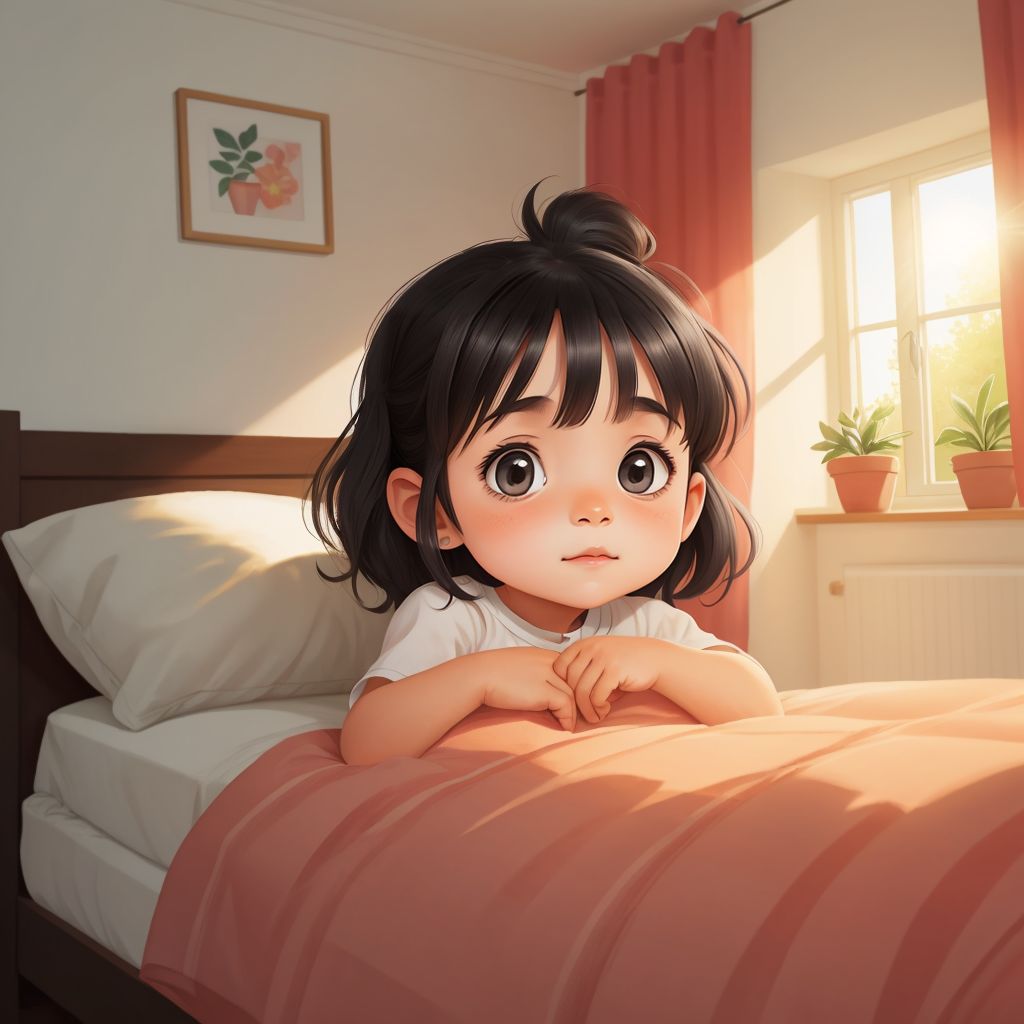
A little girl waving hello to her family (father, mummy, brother and sister) in the background
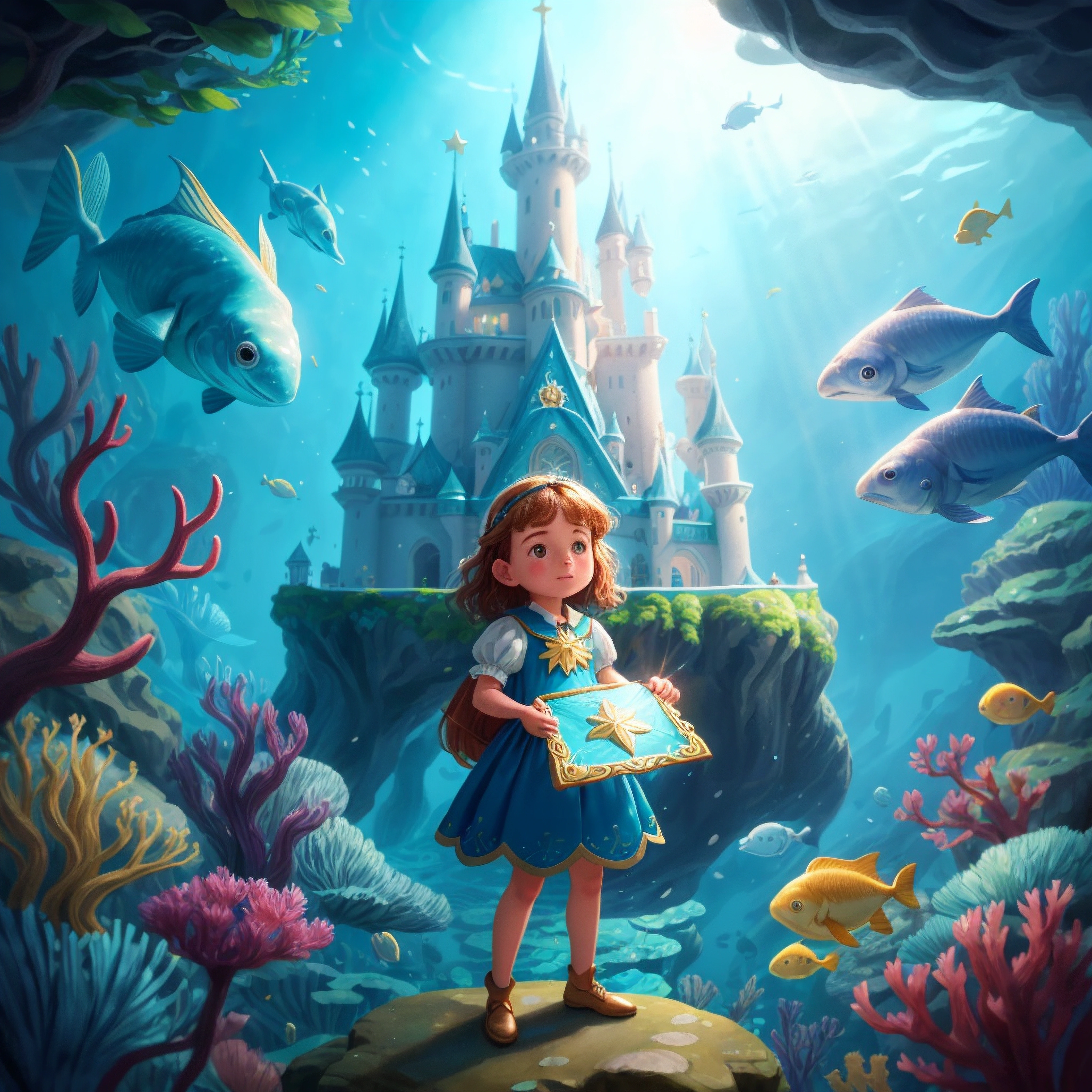
A girl learns about what the stock market from a Whale.
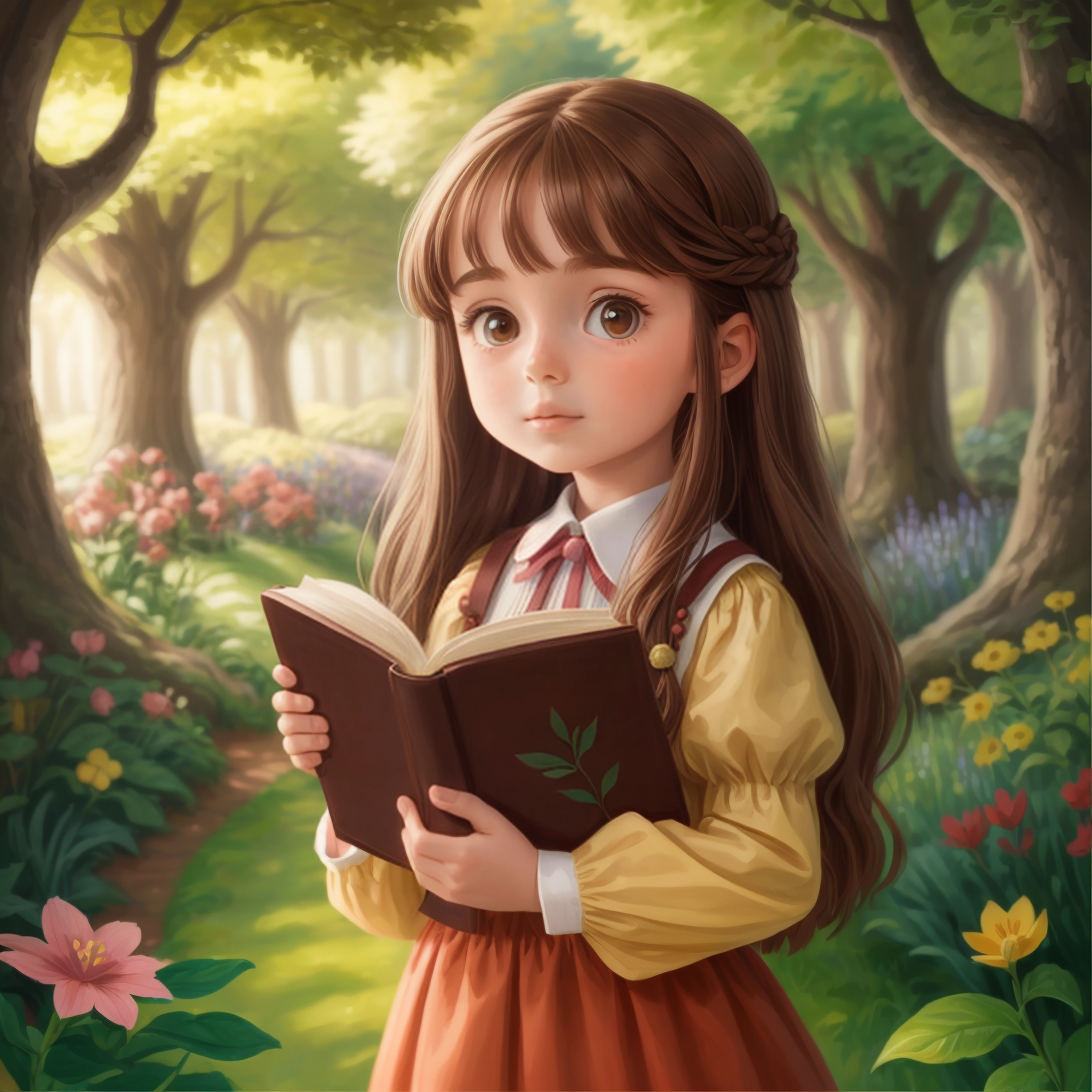
1. Dorf Blütenheim: Lina & Papageienfreund Pablo erleben außergewöhnliches Abenteuer 2. Mysteriöses Buch im Zauberwald führt sie in magische Welt ohne Zauberwald 3. Suche nach Lösung: Treffen auf merkwürdige Kreaturen 4. Kreaturen erklären, Fantasie durch Buch lebendig geworden 5. Zurück nach Hause: 3 versteckte magische Schlüssel finden 6. Gemeinsame Reise durch schillernde Wälder, funkelnde Flüsse, verzauberte Gärten 7. Überwindung von Hindernissen, Hilfe für andere Wesen 8. Entdeckung der wahren Magie in Freundschaft & Zusammenarbeit 9. Letztes Rätsel bewacht von freundlichem Drachen Kluge Überlegungen und Freundschaft lösen das Rätsel Strahlendes Licht umgibt sie, Rückkehr in vertrauten Zauberwald 10. Lina & Pablo kehren mit Buch nach Blütenheim zurück 11. Abenteuer stärken nicht nur Fantasie, sondern auch Freundschaft 12. Dorfbewohner staunen über erzählte Geschichten Größte Abenteuer in Seiten eines Buches und in Herzen von Freunden
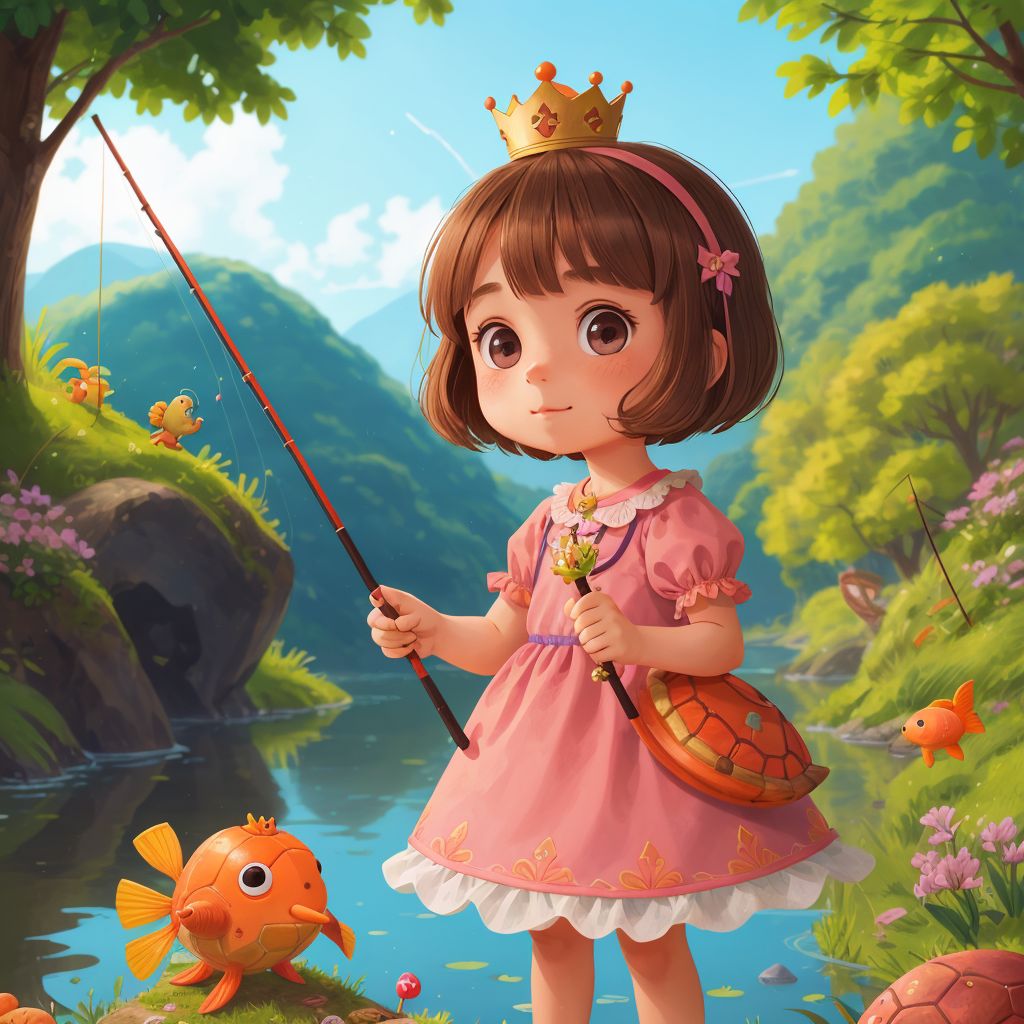
princess paisley is a princess but she likes to go fishing. she wears a pink dress, a crown on her head and yellow rubber boots on her feet. she likes to go fishing and she has a turtle and fish as friends. she gets her dress muddy before a ball and she gets in trouble

The Kingdom of Good Virtues is a heartwarming tale of morality and kindness set in a vibrant kingdom ruled by the wise King Edward. When two trusted servants, Miguel and Amalia, embark on a quest to retrieve a golden fruit from the mystical Forest of Choices, their journey becomes a test of compassion, fairness, and integrity. Along the way, they encounter challenges that reveal the power of good deeds, inspiring even the most selfish nobleman, Don Jacob, to change his ways. This uplifting story teaches that true strength lies in always choosing what is right, even when it is difficult.

1. Bahamian little girl proud of her Bahamian history 2. Bahamian children on the beach enjoying sun sand and see 3. Bahamian girl in junkanoo 4. Bahamian girl singing the Bahamian National Anthem 5. Bahamian girl in school uniform enjoying learning 6. Bahamian boy exploring the historical sites 7. Bahamian children sailing in regatta 8. Bahamian girl in church singing 9. Bahamian children playing Bahamian games 10 Bahamian children on independence day

Our story kicks off in the wild, untamed land of social media—a realm as chaotic and unpredictable as a dragon in a china shop. Picture 14-year-old Ilya, a digital adventurer with the bravery of a knight and the curiosity of a cat, blasting out friend requests to anyone whose name looked even remotely interesting. Among these names was Ekaterine’s, a 13-year-old with a reputation for blocking random requests like a pro. But fate had other plans. For reasons only the cosmos truly understands, Ekaterine decided to accept Ilya’s request. Their first conversation? Well, let’s just say it was as graceful as a troll in ballet slippers. Ilya, ever the creative soul, spun a tall tale about being a fan of the band featured in Ekaterine’s profile picture—a tale as true as a dragon's promise to never hoard gold. Despite the wobbly start, their chat turned into something surprisingly real, blossoming over years of friendly banter. And thus, their story began, with occasional interruptions from the capricious forces of fate.
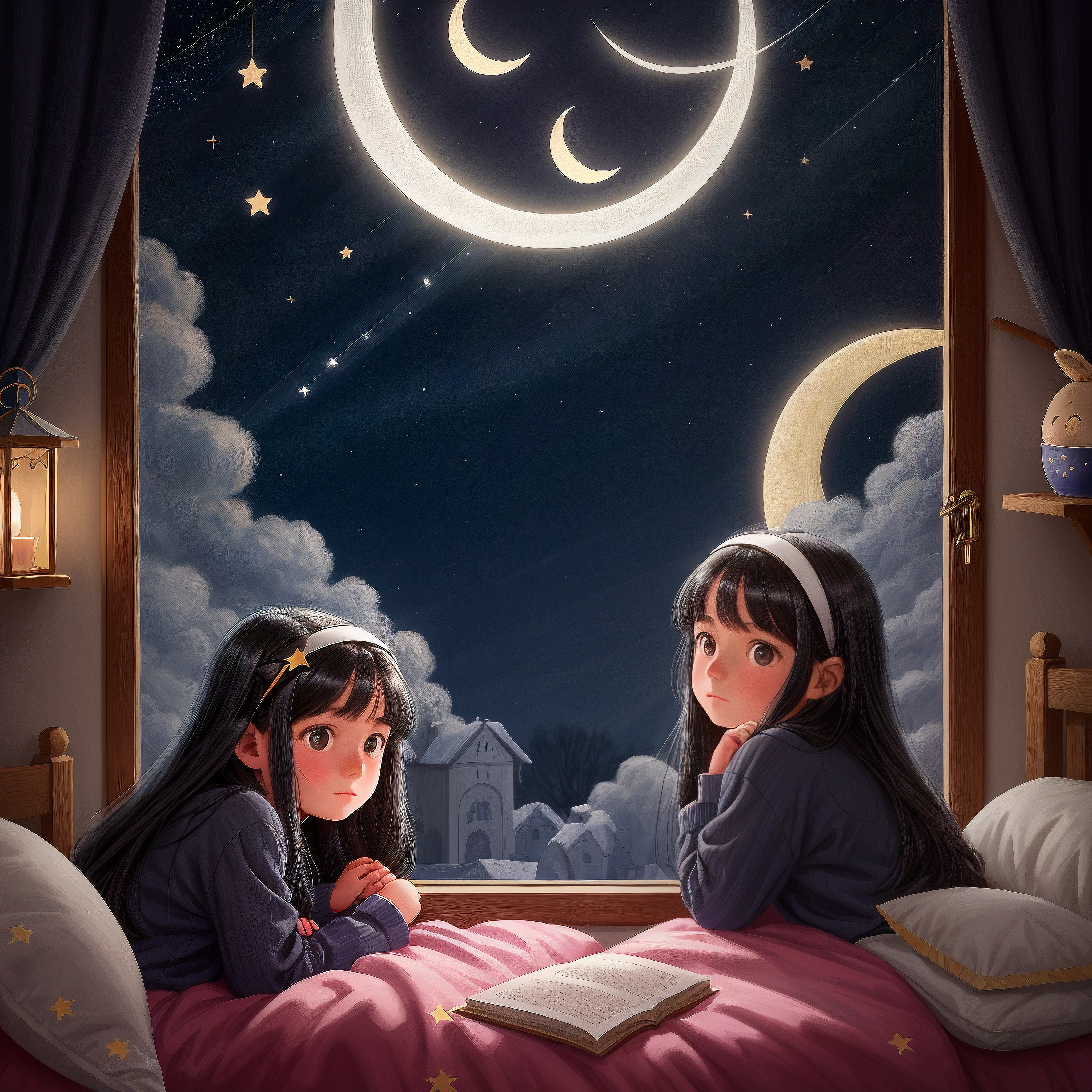
"It was bedtime, and little Inaya saw a donkey in pajamas through the window. This was no ordinary donkey, but a donkey clad in a bright, colorful pajama adorned with stars and moons. Inaya was so charmed by this unusual sight that she decided to go outside for a closer look.
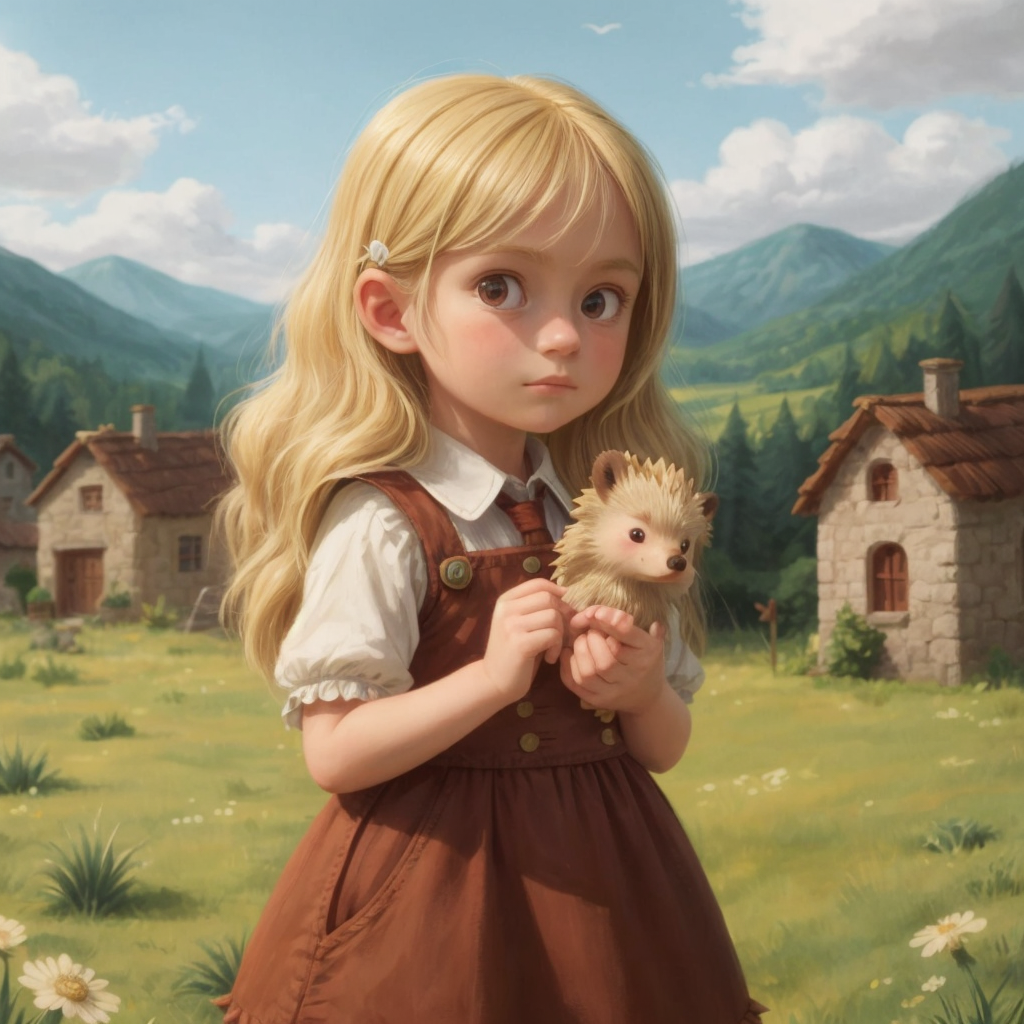
A little girl named Madeline goes on an adventure with her friendly pet hedgehog.

A book to teach children to start speaking English and developing English speaking skills.

A simple book about a little girl called Goldie and her pet turtle called Max having fun on the beach. Goldie has a twin brother called Theo